
Introduction
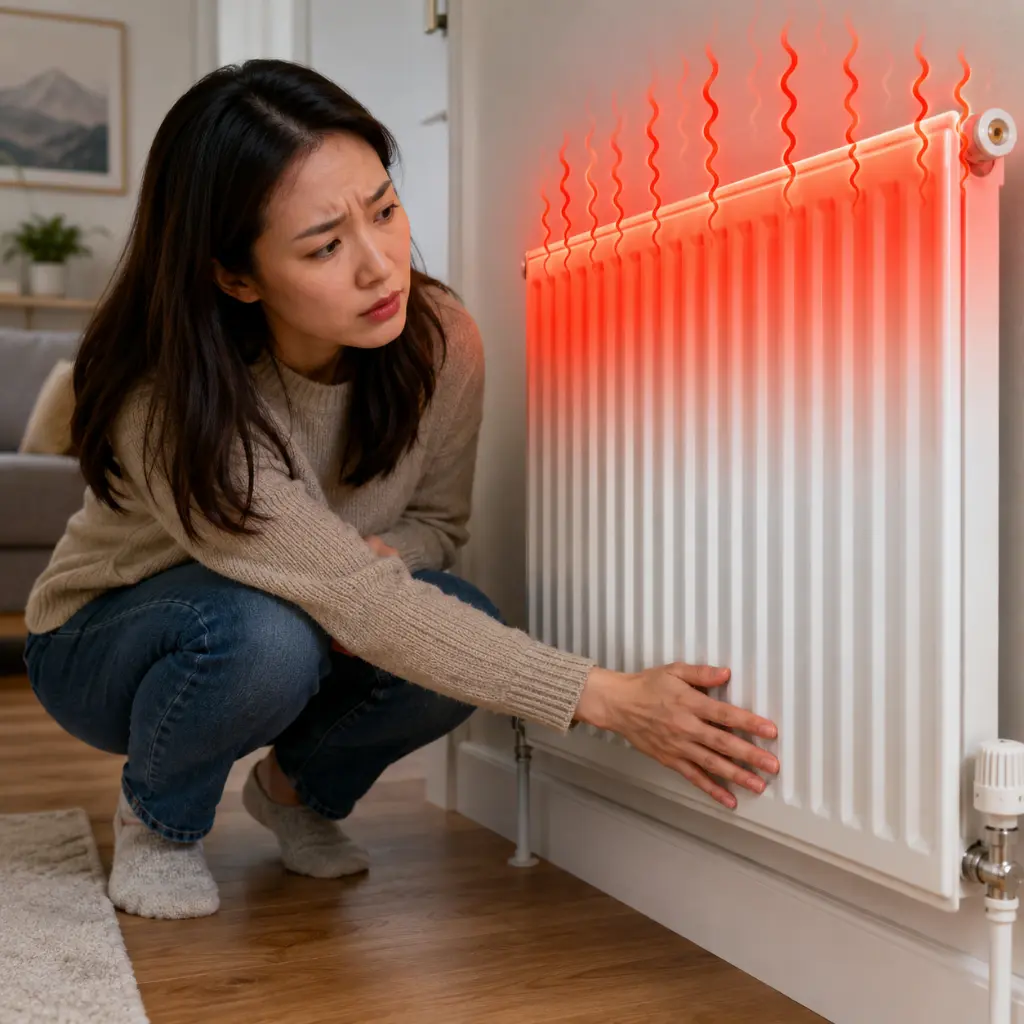
When your central heating is not working properly, the issue often becomes obvious through uneven temperatures around the home. One room may feel warm and comfortable while another remains cold for hours, even though the boiler appears to be operating normally. In some houses, upstairs bedrooms become overheated while downstairs living spaces struggle to maintain warmth during colder evenings.
These heating imbalances rarely happen without reason. Restricted circulation, trapped air, thermostat issues, insulation weaknesses, and ageing heating components can all interfere with how warmth spreads throughout the property. In many London homes, older pipework, system modifications, and uneven heat distribution can gradually affect overall heating performance. Identifying these warning signs early and arranging experienced central heating assistance can help prevent larger heating faults during colder winter periods.
Uneven Temperatures Often Begin with Circulation Problems
A healthy heating setup relies on the continuous circulation of heated water through radiators throughout the house. Once circulation weakens in certain areas, some rooms stop receiving the same level of warmth as others.
The issue usually develops slowly. A radiator may begin taking much longer to warm than nearby units, or certain rooms may remain noticeably colder despite no thermostat changes. In larger homes, longer pipe routes often struggle first because heated water loses temperature as it travels through longer pipe routes.
Poor circulation is often noticeable in rising heating bills, as rooms take longer to feel comfortable, particularly during colder evenings when demand on the boiler increases.
Trapped Air Prevents Full Radiator Heat Output
Air trapped in radiators can prevent heat from spreading evenly throughout the system, leaving certain sections partially cold while others continue warming normally. Bubbling noises, cool spots near the top of the radiator, and inconsistent room temperatures often indicate that trapped air is disrupting circulation inside the heating circuit.
Sludge Inside Radiators Restricts Heat Movement
Sediment accumulation remains one of the most common causes of central heating problems in older homes, as rust particles and debris gradually collect inside radiators and narrow sections of pipework.
Unlike trapped air, sludge usually affects the lower sections of the radiator first, leaving the bottom portion cooler while the upper area remains warmer. Some rooms may also take far longer to heat than others even while the boiler continues operating normally.
As deposits continue restricting circulation, the heating system works harder to maintain stable room temperatures. When several radiators display similar symptoms, professional flushing or internal cleaning may be necessary to restore proper flow.
Incorrect Radiator Balancing Creates Uneven Rooms
Many homes experience heating imbalance because heated water naturally travels more easily towards radiators positioned nearest the boiler. As a result, some rooms warm much faster than others, creating uneven comfort throughout the property during colder weather.
Balancing adjusts radiator valves carefully to control how much heated water enters each unit. Restricting flow slightly through hotter radiators helps improve heat distribution to colder areas elsewhere in the home.
This issue is particularly noticeable in larger or multi-storey properties where circulation strength varies across different sections of the heating network. Once balancing is corrected properly, rooms usually heat far more evenly throughout the house.
Thermostat Positioning Can Mislead the Heating System
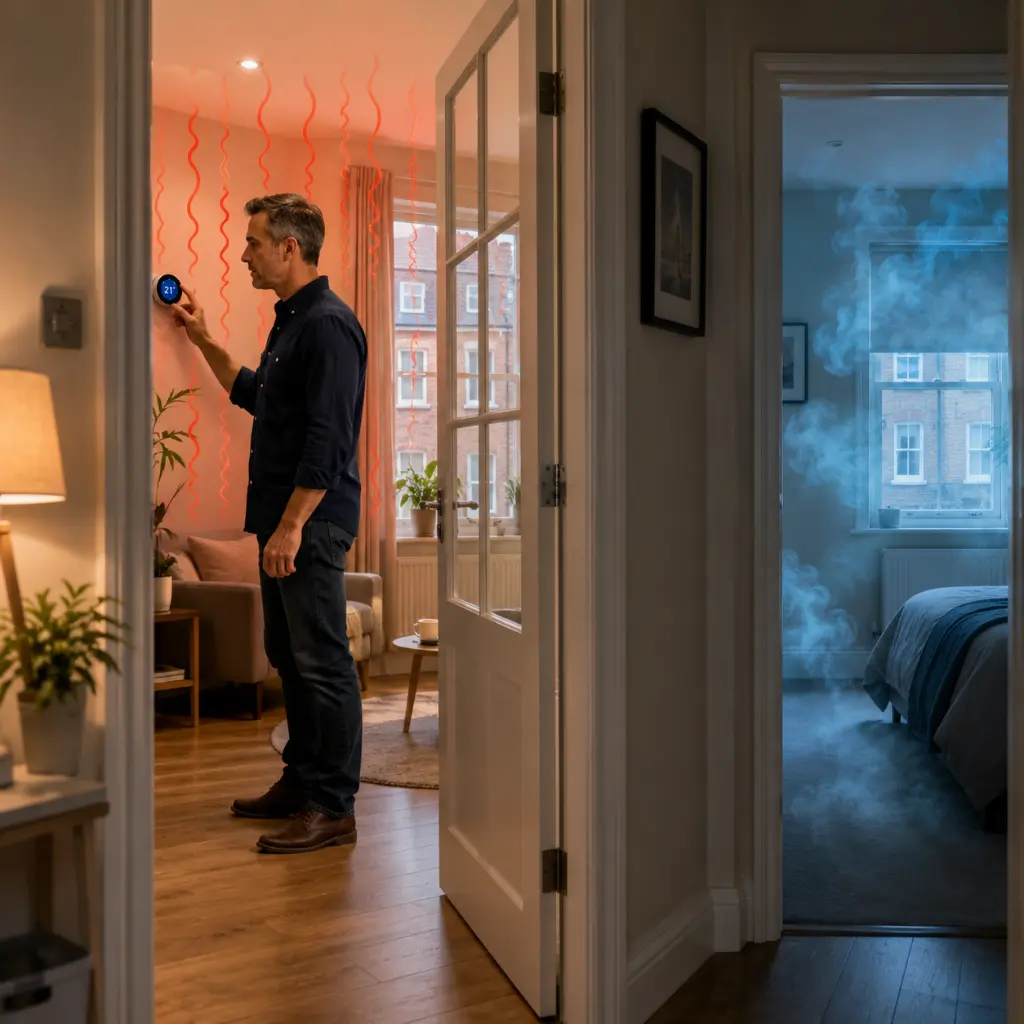
The thermostat controls when the boiler switches on and off, so inaccurate temperature readings can affect comfort throughout the house. If positioned near direct sunlight, draughty hallways, or naturally warmer areas, readings become unreliable.
A thermostat located close to a radiator may shut off the heating too early, before colder rooms have reached a comfortable temperature. Likewise, thermostats placed beside external doors often continue to demand heat unnecessarily because the surrounding air remains cooler than the rest of the property.
Modern programmable controls and smart thermostats help improve temperature management by allowing better scheduling and more accurate adjustments throughout the day.
Larger homes often benefit from zoning systems that allow separate areas to operate independently rather than relying on a single central thermostat for the entire property.
Poor Insulation Allows Heat to Escape Unevenly
Not every uneven heating issue begins inside the boiler or radiators themselves. In many homes, warmth escapes much faster from certain rooms because insulation standards vary throughout the property.
Loft spaces, suspended floors, single-glazed windows, and exposed external walls all contribute to winter heat loss. Rooms affected by draughts usually feel colder even while radiators continue operating correctly.
Heavy curtains covering radiators and large furniture placed directly against heat sources can also interfere with the natural spread of warmth around the room.
Converted properties frequently experience insulation inconsistencies because newer sections of the building perform differently from the original structures. This creates noticeable temperature variation between adjoining rooms despite otherwise healthy heating performance.
Improving insulation often stabilises indoor comfort while lowering overall household heating costs.
Low Boiler Pressure Disrupts Heat Distribution
Stable pressure is important for maintaining even warmth throughout the property because low boiler pressure weakens circulation around the heating circuit.
Longer pipe runs and distant radiators are often affected first, particularly when pressure continues dropping after bleeding radiators or minor heating repairs.
Stuck Radiator Valves Can Leave Rooms Cold
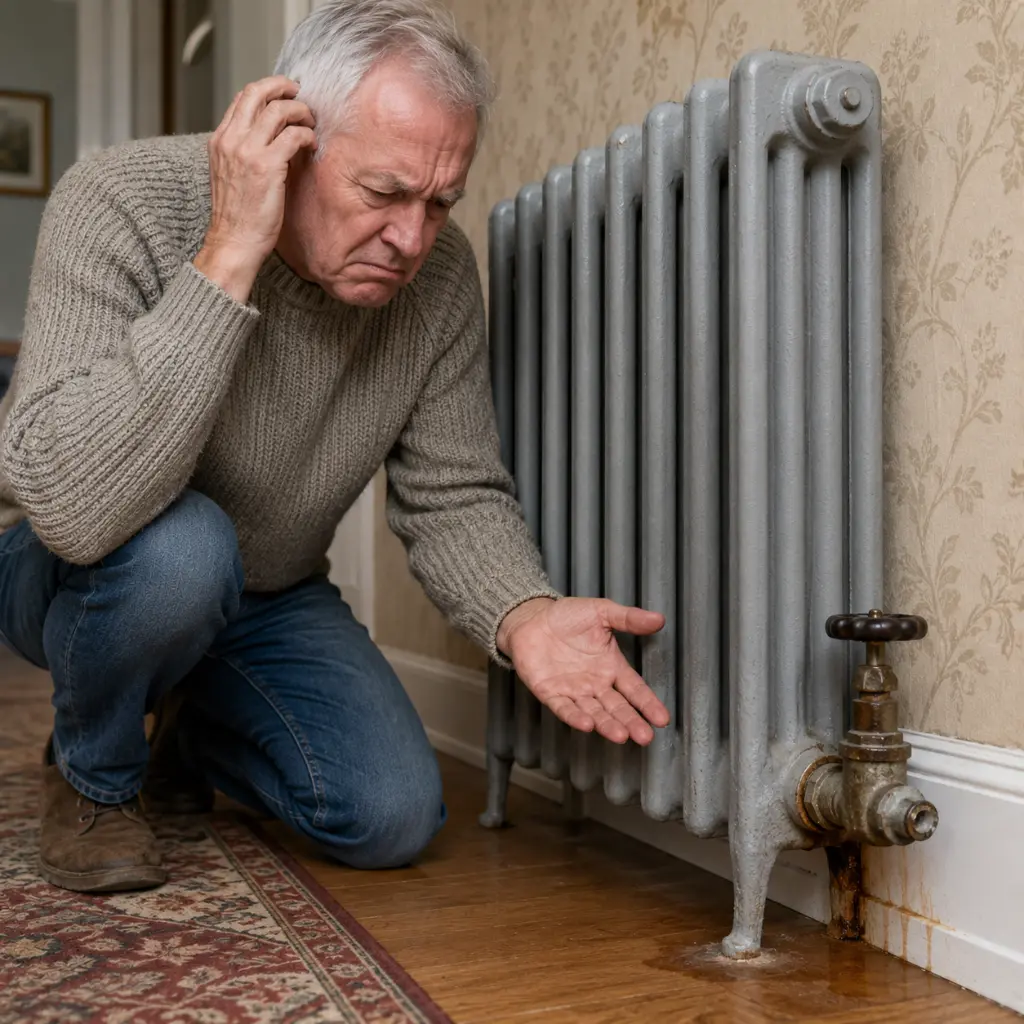
A seized thermostatic radiator valve is often one of the simplest explanations for a persistently cold room while the rest of the heating system appears to operate normally. When the internal valve pin becomes stuck, heated water cannot circulate properly through the radiator, leaving sections partially or fully cold despite nearby radiators warming normally.
Corrosion and mineral buildup around internal valve components are common causes of this issue, particularly in older systems and hard water areas. Handles may also become stiff or unresponsive after years of repeated adjustment and seasonal heating cycles.
Heat Naturally Rises in Multi-Storey Homes
Temperature imbalance between floors is extremely common in townhouses, loft conversions, and taller properties. Warm air naturally rises through staircases and open landings, making upper rooms warmer while lower levels remain cooler.
Open plan layouts can intensify this effect because heated air moves more freely between connected spaces. Ground-floor rooms positioned near external walls often struggle most during colder evenings.
Stairwells, open landings, and loft conversions also allow warmth to collect upstairs more quickly, leaving lower floors slower to heat during winter.
Improving airflow management and adjusting radiator output between floors can significantly reduce this imbalance.
When Professional Heating Inspection Becomes Necessary
Simple adjustments, such as bleeding radiators or repositioning furniture, can sometimes temporarily improve uneven heating. However, recurring cold rooms, repeated pressure loss, widespread sludge buildup, or weak circulation usually indicate deeper faults requiring professional diagnosis.
If several radiators remain cold despite balancing attempts, the issue may involve the pump, internal boiler components, or hidden sections of pipework beneath floors and walls.
It is worth contacting London Plumbing 24/7 if your heating is not working properly and is continuing to affect comfort around the home. Early inspection helps reduce avoidable strain on the boiler and prevents more disruptive heating failures during colder months.
Conclusion
Uneven heating usually signals that part of the system is no longer distributing warmth efficiently. Trapped air, sediment buildup, balancing faults, thermostat inaccuracies, insulation weaknesses, and worn boiler components are among the most common causes behind inconsistent room temperatures. While some issues can be improved through straightforward adjustments, recurring circulation faults or pressure-related problems often require professional attention. If certain rooms remain persistently cold or your central heating system problems continue returning, London Plumbing 24/7 can provide reliable heating repairs, radiator balancing, and boiler diagnostics to help restore consistent warmth throughout the property before colder weather increases strain on the system.