
Introduction
A blocked drain often starts with small warning signs that are easy to dismiss. Water may begin draining more slowly from the kitchen sink, unpleasant smells may appear around plugholes, or bubbling sounds may come from the bathroom waste pipe after using the shower. Over time, these minor inconveniences can develop into overflowing wastewater, hidden leaks, and major plumbing disruption throughout the property.
In London homes, drain blockages are commonly caused by grease buildup, hair accumulation, food waste, damaged underground pipes, and outdoor debris entering the drainage network. Recognising the early signs and arranging professional drain unblocking and plumbing support early can help homeowners deal with restrictions before they develop into more serious plumbing faults.
Grease and Food Residue Create Stubborn Kitchen Blockages
Many kitchen sink problems begin quietly after months of cooking, washing up, and food preparation. Grease, oil, coffee grounds, soap residue, and small food scraps pass through the sink every day, gradually forming sticky deposits along the inner walls of the pipe.
Once grease cools, it hardens and narrows the available space inside the drain channel. As more debris moves through the line, additional waste sticks to the buildup layer by layer. Eventually, water flow becomes restricted, and the sink begins draining noticeably slower than normal.
Busy family kitchens are particularly vulnerable because cooking oils and food waste enter the system constantly throughout the week. Left untreated, hardened grease deposits often require professional drain cleaning rather than simple household remedies.
Hair and Bathroom Products Restrict Water Flow
Bathroom drain obstructions and accumulations differ from kitchen sink blockages. Hair, toothpaste, soap residue, and cosmetic products gradually collect inside bathroom waste pipes, forming dense clogs that trap additional debris over time.
Homeowners often notice the problem when water begins pooling around the shower tray or basin, while gurgling sounds and slow drainage become more noticeable.
Soap scum makes the situation worse because it coats the inside surfaces of the pipes with a sticky film. Hair clings easily to this residue, allowing the obstruction to expand incrementally over time.
Properties with several occupants typically experience these bathroom plumbing faults more frequently because larger amounts of hair and product residue pass through the system daily.
Toilets Frequently Become Blocked by Improper Waste Disposal
Modern toilets are only designed to handle wastewater and toilet paper. Unfortunately, many households flush materials that do not break down properly inside the drainage line.
Wet wipes remain one of the biggest causes of blocked toilet problems across London properties. Even supposedly ‘flushable’ wipes can remain inside pipes for long periods, eventually trapping waste behind them.
Sanitary products, paper towels, cotton pads, nappies, and children’s toys also create severe pipe obstructions once they become lodged within bends or narrow sections of the drain.
A backed-up toilet should never be ignored, as blockages in the main waste line can quickly affect the wider plumbing system throughout the property.
Tree Roots Can Cause Serious Underground Drainage Faults
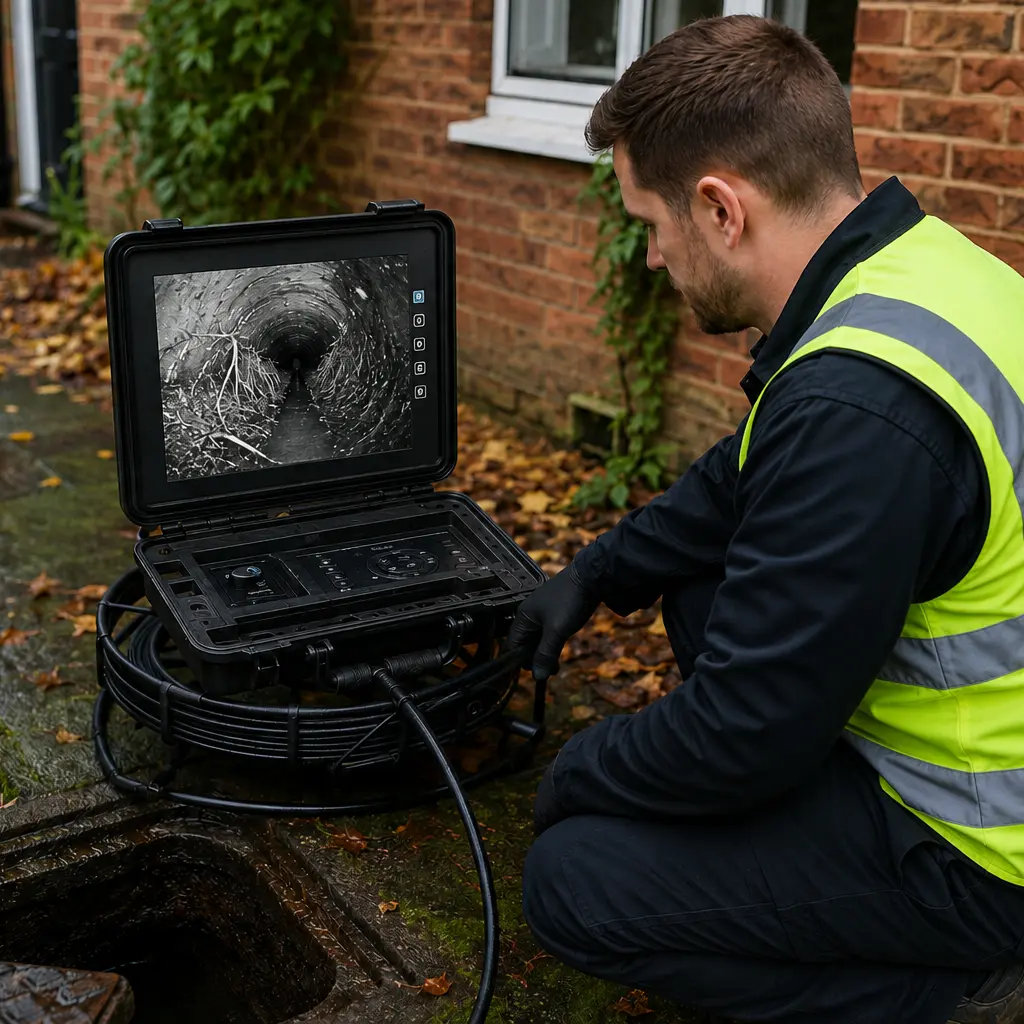
Some drainage faults originate entirely outside the home. Underground pipes naturally attract tree roots because moisture escaping from small gaps or joints provides a reliable water source.
Once root tips enter the drainage line, they continue to expand inside the pipe, creating heavy restrictions that trap debris moving through the system. As months pass, water flow weakens further, and recurring blockages become increasingly common.
Clay pipes laid decades ago are particularly vulnerable because ageing joints offer little resistance once roots locate moisture underground. Seasonal ground movement and prolonged rainfall can also worsen misalignment of underground pipes and structural weakness in older drainage systems.
Many homeowners experience repeated blockages for months before discovering the real issue lies beneath the property rather than inside the home.
Heavy Rainfall Often Overwhelms Outdoor Drains
After prolonged rainfall, many homeowners first notice overflowing gullies or standing water collecting near patios, driveways, and garden pathways. These are often early signs that exterior drainage channels have become obstructed with mud, leaves, and outdoor debris.
Surface water systems are designed to carry rainwater away efficiently, but accumulated debris quickly reduces the available flow space during periods of heavy rainfall. Once drainage movement slows, water begins to pool around the property’s exterior instead of clearing normally. During severe winter weather, freezing conditions can further restrict drainage movement in vulnerable outdoor pipe sections.
Autumn conditions make the problem worse because fallen leaves frequently block outdoor channels and stormwater drains. If left unchecked, persistent overflow can eventually lead to damp conditions around walls and foundations.
Ageing Drainage Systems Become Less Efficient Over Time
Many older London homes still rely on drainage systems installed decades ago. With years of constant use, corrosion, scale deposits, and shifting joints gradually affect the efficiency with which water moves through the underground network.
Unlike sudden blockages, these faults usually develop quietly across years of use. A property may experience occasional slow-draining sinks, intermittent smells, or random gurgling noises long before a complete stoppage finally forces the issue.
Ground movement also affects older systems more heavily. In some homes, sections of underground pipe lose their proper alignment, creating areas where wastewater struggles to flow naturally through gravity-fed drainage lines.
These hidden structural issues often go unnoticed until recurring restrictions begin affecting multiple areas of the property.
Early Warning Signs Should Never Be Dismissed

Most drain blockages provide warning signs before a complete stoppage occurs. Recognising these symptoms early usually prevents more disruptive plumbing repairs later.
A sink that drains slowly after use often indicates the beginning of an internal restriction. Bubbling noises in bathroom drains usually indicate trapped air, often caused by narrowing flow channels deeper within the system.
Persistent odours are another strong indicator that waste material has become trapped inside the pipes. Food residue, stagnant water, and compacted debris gradually create unpleasant smells that spread through kitchens, bathrooms, and utility spaces.
Once water begins backing up into sinks, showers, or toilets, the restriction has usually become severe enough to affect normal wastewater movement through the property.
Why DIY Drain Cleaning Often Fails
Many homeowners attempt to clear restrictions using chemical cleaners, plungers, or boiling water. While these methods may temporarily improve smaller clogs, they often fail when the obstruction lies deeper underground or involves compacted debris.
Boiling water can soften fresh grease deposits near the sink opening, while bicarbonate soda mixtures may loosen minor residue buildup. However, deeper faults involving root intrusion, collapsed sections, or hardened accumulations remain unaffected.
Repeated chemical cleaning can also damage ageing pipes over time, especially in older properties with vulnerable drainage materials. In many cases, the visible symptom improves briefly while the underlying fault continues worsening beneath the surface.
When It Is Time to Call a Plumber
Some drainage faults require professional attention immediately rather than repeated DIY attempts. Overflowing wastewater, recurring restrictions, and signs of hidden leaks should never be left unresolved for long periods.
Once backup spreads beyond a single fixture, the main sewer connection is likely involved. Strong drain odours indoors may also indicate deeper blockages affecting underground sections of the network.
It is worth contacting London Plumbing 24/7 if drainage restrictions persist despite cleaning attempts, particularly when outdoor overflows, damp patches, or wastewater backups become visible around the property.
Early inspection often prevents more disruptive structural damage affecting floors, walls, and underground pipe connections later.
How Professional Drain Inspections Identify Hidden Faults
Drainage faults are not always visible from the surface. Modern CCTV drain inspection equipment allows engineers to examine underground pipe conditions without unnecessary excavation around the property.
A CCTV drain survey helps identify collapsed sections, root intrusion, hidden cracks, pipe misalignment, and underground structural weaknesses far more accurately than surface inspection alone.
Where damage exists, repairs may involve drain lining, trenchless pipe relining, or targeted structural repair, depending on the condition of the affected section. High-pressure drain jetting equipment can also clear compacted grease and mineral scale in a single pass, restoring full-bore flow more effectively than household cleaning methods.
Conclusion
Blocked drains can develop due to grease accumulation, hair buildup, non-flushable waste, root intrusion, ageing underground pipes, and outdoor debris entering the drainage network. While some minor restrictions may improve with basic cleaning, recurring obstructions usually indicate deeper faults hidden within the system.
A single slow drain may be manageable, but persistent odours, gurgling across rooms, or outdoor overflow are strong signs that professional inspection is needed. If drainage problems persist or hidden plumbing damage becomes visible, London Plumbing 24/7 can provide reliable drainage inspections and repairs across London before restrictions begin affecting the main sewer connection.