
Introduction
A radiator that fails to heat properly can make your home uncomfortable very quickly during colder months, especially in London properties where heating systems work harder throughout winter. In Victorian terraces, converted flats, and older semi detached homes, radiator faults often develop gradually because of trapped air, ageing pipework, pressure loss, or restricted flow through the system.
Sometimes only one radiator stays cold. In other homes, several rooms may struggle to warm evenly even though the boiler appears to be working normally. Identifying the cause early helps prevent unnecessary strain on the boiler and reduces the risk of larger heating repairs later. Many radiator faults can be improved with simple checks before arranging professional assistance from London Plumbing 24/7.
Signs Your Radiator Has a Heating Fault
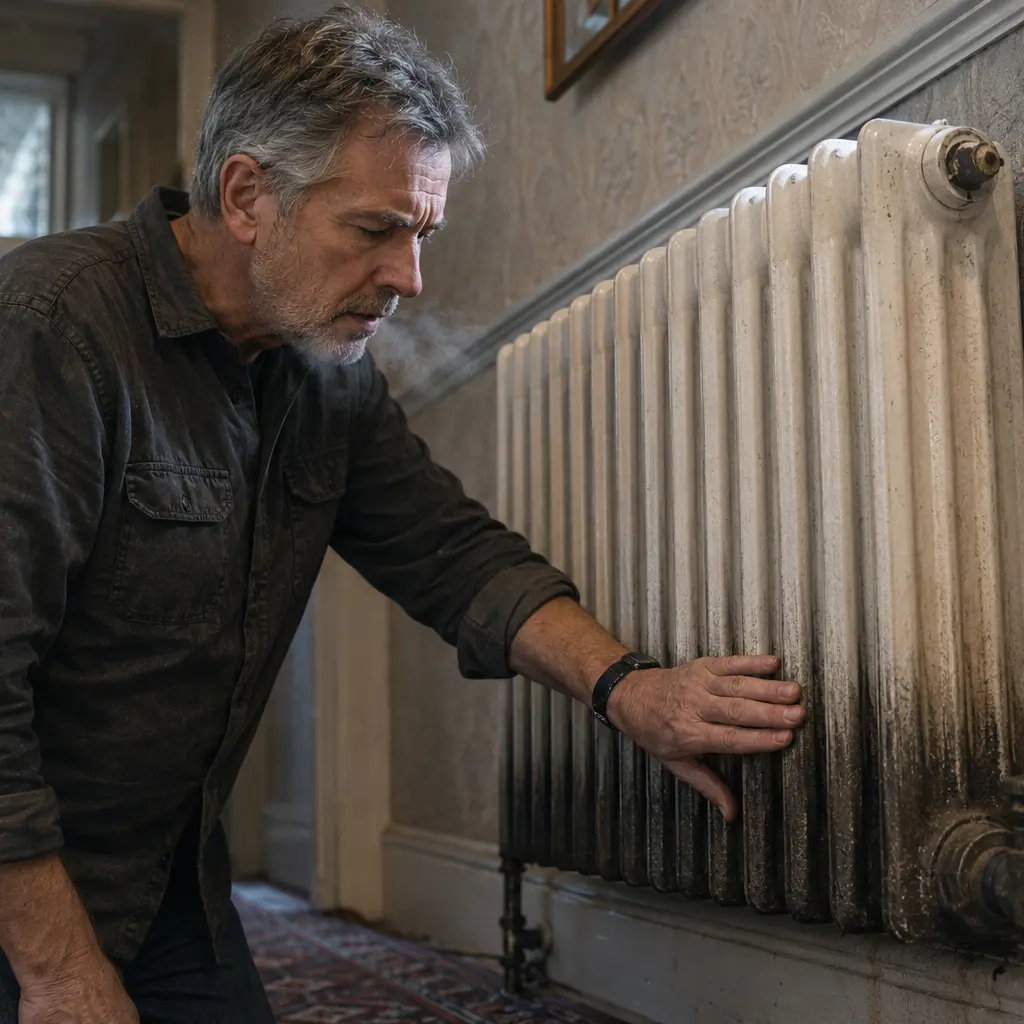
The way a radiator behaves often provides useful clues about the underlying fault. A radiator that stays cold across the upper section usually indicates trapped air inside the panel. If the lower half remains cool while the top feels warm, debris and magnetite deposits inside the pipework may be restricting heat flow.
You may also notice bubbling noises, uneven warmth across the radiator, or radiators taking much longer to heat than normal. In larger homes and multi storey properties, radiators furthest from the boiler often show symptoms first when movement through the pipework begins weakening.
Check the Radiator Valves Before Anything Else
Before assuming there is a serious heating fault, check both radiator valves carefully. The thermostatic radiator valve controls how much heated water enters the radiator, while the lockshield valve helps regulate flow throughout the heating circuit.
If either valve becomes stuck or partially closed, the radiator may struggle to warm properly even while the rest of the system appears normal. Valves left untouched through warmer months sometimes seize internally once the heating is switched back on during colder weather, requiring adjustment or replacement to restore proper circulation.
Trapped Air Can Leave Radiators Cold
Small amounts of air can gradually enter sealed heating systems through maintenance work, pressure changes, or minor leaks over time.
Once air becomes trapped inside a radiator, heated water cannot spread evenly across the panel. This usually leaves the upper section cold while the lower area still feels warm. You may also hear hissing or bubbling sounds from inside the radiator when the heating is running.
This is one of the most common causes of a cold radiator during winter, particularly in older properties with ageing frozen pipework.
How Radiator Bleeding Helps

Bleeding a radiator releases trapped air and allows heated water to move freely through the panel again.
Always switch the heating off before starting. Place a cloth beneath the bleed valve and slowly open it using a radiator key. Air will escape first, followed by a steady flow of water. Once water runs consistently, close the valve securely.
After bleeding radiators, check the boiler pressure gauge carefully. Some pressure loss is normal after releasing trapped air, especially in older heating circuits.
Low Boiler Pressure Can Affect Heat Distribution
Modern boilers rely on stable pressure to circulate heated water effectively throughout the property.
If pressure continues dropping after bleeding radiators or topping up the system, the boiler should be inspected for underlying faults such as leaks, valve problems, or expansion vessel failure.
Debris Inside the Pipework Can Restrict Heat Flow
Heating systems that have gone years without flushing often develop internal deposits made from rust, dirt, and magnetite particles. Over time, this sediment settles inside radiators and pipework, reducing heat output across the property.
One common warning sign is a radiator that takes far longer to reach temperature than others connected to the same heating circuit. You may also notice dark water during radiator bleeding, noisy pipework, or sections of radiators that stay cool even when the heating runs for extended periods.
Homes with older pipework or systems installed before the early 2000s are usually more vulnerable to these deposits.
When a Power Flush May Be Necessary
If internal deposits become severe, simple bleeding and balancing may no longer solve the problem. In these situations, a professional power flush helps clear accumulated debris from the pipework and radiators.
Removing this buildup improves heat distribution, reduces boiler strain, and helps heated water move more evenly throughout the property. Systems affected by magnetite deposits often become quieter and more responsive once the debris has been cleared properly.
Uneven Radiator Heating and Balancing Faults

In many homes, radiators closest to the boiler become extremely hot while others remain noticeably cooler, usually indicating balancing faults within the heating circuit.
Balancing controls how evenly heated water moves through each radiator by carefully adjusting the lockshield valve to reduce excessive flow through hotter units and improve circulation to colder areas of the property.
Correct balancing helps maintain steadier room temperatures throughout the home while improving overall heating efficiency.
Circulation Faults Can Reduce Heating
Sometimes the radiator itself is not the source of the problem. Internal boiler components and circulation pumps also play a major role in distributing heat around the property.
In combi boiler systems, a faulty diverter valve may prevent heated water from reaching the radiators correctly. This can leave taps producing hot water normally while the radiators remain cold.
Circulation pump faults can also weaken movement through the pipework loop, causing inconsistent heating across several rooms. Because these components directly affect boiler operation, proper diagnosis by a heating engineer is strongly recommended.
Preventing Future Radiator Problems
Regular heating maintenance helps reduce the likelihood of winter breakdowns and uneven radiator performance.
Bleeding radiators annually, checking boiler pressure regularly, arranging routine boiler servicing, and addressing small leaks early all help keep the system working efficiently. In areas affected by hard water, preventative maintenance becomes even more important because mineral deposits can gradually affect heating efficiency and internal boiler components.
When to Contact London Plumbing 24/7
Some radiator faults can be resolved with straightforward checks, but persistent heating problems should never be ignored. Repeated pressure loss, noisy pipework, weak upstairs heating, or several radiators staying cold often indicate deeper faults inside the system.
London Plumbing 24/7 provides practical heating repairs and radiator maintenance across London, helping homeowners resolve heating faults before they develop into major boiler or pipework repairs.
Conclusion
A radiator that fails to heat properly is usually caused by trapped air, pressure loss, internal debris, balancing faults, or restricted flow through the heating circuit. While simple checks such as bleeding radiators and inspecting valves can often improve smaller faults, ongoing heating problems may require professional attention.
Keeping your central heating system properly maintained improves heat distribution, reduces strain on the boiler, and helps prevent costly winter breakdowns. If your radiators continue struggling with uneven warmth, cold sections, or recurring pressure problems, London Plumbing 24/7 can provide reliable heating support and professional repairs across London before radiator faults begin placing additional strain on the boiler.