

Introduction
A boiler losing pressure is often an early sign that something inside the system needs attention. Many homeowners first notice the issue after the pressure gauge suddenly drops or the radiators stop warming evenly around the house. Sometimes the change happens gradually over several days. In other cases, the gauge drops whenever the heating comes on.
While occasional small pressure fluctuations during normal heating cycles are usually expected, repeated drops usually point to an underlying fault. Hidden leaks, failing valves, trapped air, and worn internal components are among the most common causes. During colder months, when boilers operate more heavily, these faults become more noticeable and can quickly affect heating performance throughout the home. If the problem continues returning, arranging professional boiler and heating system support early can help prevent more disruptive breakdowns later.
Why Correct Boiler Pressure Is Important
Modern boilers depend on balanced water pressure to circulate heated water properly through the radiators and pipe network. If the pressure drops too low, the boiler struggles to maintain consistent warmth and may eventually shut down for safety reasons.
Early symptoms often include radiators taking longer to heat, uneven temperatures between rooms, inconsistent hot water, or unexpected temperature changes at taps and showers. The system may also become noisier as trapped air and unstable flow begin affecting circulation.
Stable pressure helps maintain efficient circulation and consistent heating performance throughout the system. When circulation becomes inconsistent, pumps, valves, and heat exchangers operate under greater stress, increasing wear across the installation.
Radiator Valves Can Wear Out Gradually
If pressure drops become more noticeable during winter, worn radiator valves may be contributing to the issue. During winter, ageing boiler components and weakened heating fittings often struggle to cope with prolonged daily demand and constant temperature fluctuation. Valves open and close repeatedly during normal heating cycles, and repeated movement eventually wears down the internal seals.
A small leak around the valve body or a threaded connection may not appear dramatic initially, but tiny amounts of escaping water can slowly reduce system pressure over days or weeks.
Corrosion around older valve fittings can worsen the problem further. Green staining, rust marks, or moisture collecting near radiator pipe connections usually indicate that the seals are no longer holding water correctly.
Bleeding Radiators Often Lowers Pressure Slightly
Many homeowners become concerned after noticing low boiler pressure following radiator bleeding. In most cases, a slight reduction is perfectly normal because trapped air removal also releases a small amount of water from the circuit.
Air pockets prevent heated water from flowing evenly through the radiators, resulting in cold spots and inconsistent warmth throughout the home. Bleeding restores smoother circulation and improves heat distribution.
Afterwards, the boiler may need topping up using the filling loop to restore normal pressure levels. However, if the gauge continues dropping repeatedly after repressurising, another fault is likely present elsewhere in the system.
Expansion Vessel Faults Cause Pressure Swings

Sharp pressure changes during heating cycles often indicate problems with the expansion vessel. This component absorbs pressure fluctuations as water heats and expands inside the boiler.
When the vessel loses its air charge or develops an internal fault, the pressure gauge may rise rapidly while the heating is operating and then fall again once the system cools.
Many homeowners mistake this for ordinary fluctuation and repeatedly top up the boiler without addressing the real issue. Over time, unstable pressure can place additional stress on the relief valve and other internal components.
A Gas Safe engineer can test the vessel properly and determine whether it requires repressurising or replacement.
Pressure Relief Valves Can Leak Without Obvious Signs
The pressure relief valve protects the boiler by releasing water if pressure rises too high. Once the internal seal wears down, the valve may continue leaking even when pressure levels appear normal.
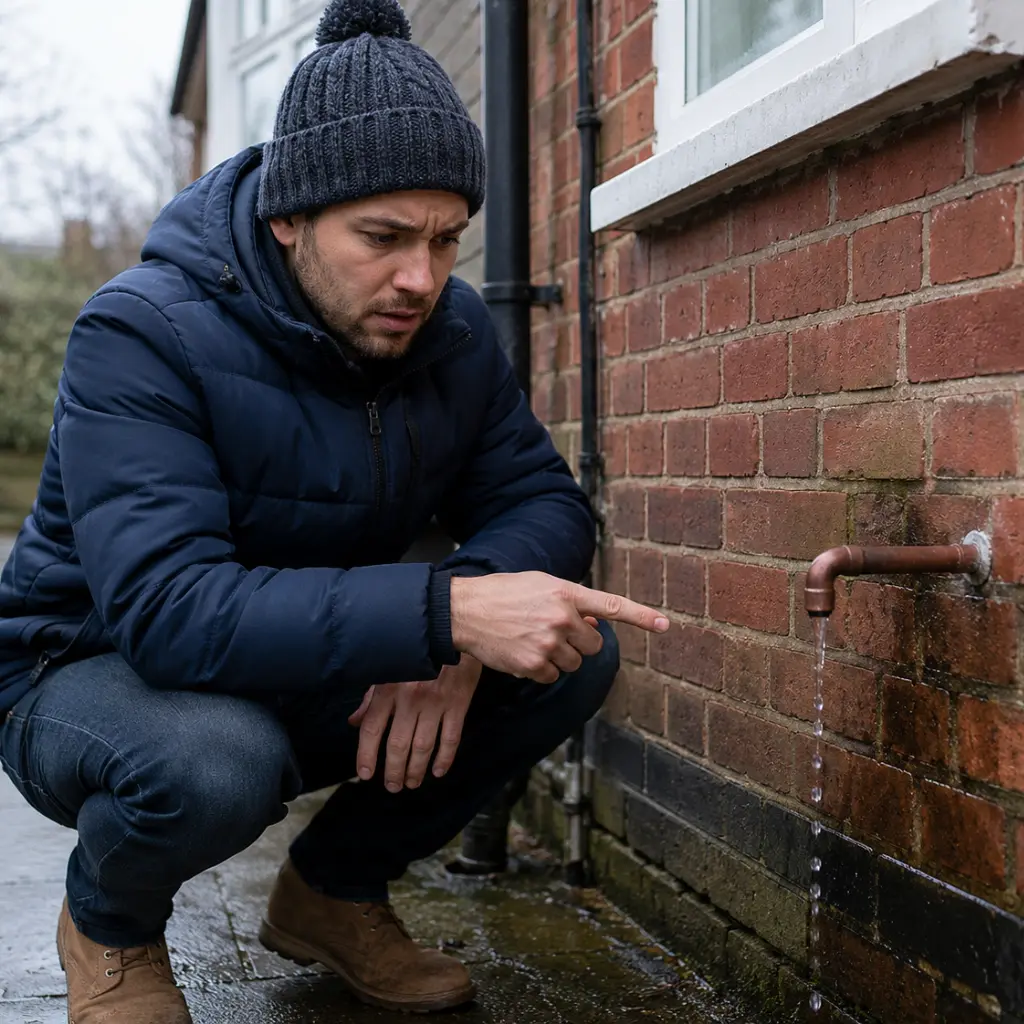
Water usually escapes through an external discharge pipe outside the property, which means the leak often goes unnoticed initially. Homeowners sometimes discover the issue only after spotting dripping water near the outside wall where the pipe terminates.
Because the water escapes gradually, the gauge continues falling despite repeated topping up. Once this valve begins failing, replacement is usually required to restore stable operation.
Internal Boiler Leaks Are More Difficult to Detect
Not every leak develops around visible pipes or radiator fittings. Some faults originate entirely inside the boiler casing itself.
Worn seals, corroded internal joints, or damaged heat exchangers can allow water to escape internally as it evaporates against hot components before becoming visible externally. As a result, the boiler continues losing pressure without any obvious external leak appearing around the property.
Other warning signs often accompany internal faults, including unusual banging noises, intermittent shutdowns, or moisture appearing beneath the appliance casing.
Because these problems involve sealed boiler components, professional inspection becomes essential once internal leakage is suspected.
Corrosion and Sludge Can Restrict Circulation
Older systems frequently contain sludge deposits formed from rust particles, debris, and mineral accumulation circulating through the water. This thick sediment gradually settles inside radiators, valves, and pipe channels.
As restrictions develop, circulation becomes less efficient and places additional strain on the heating system. Corrosion also weakens internal metal surfaces, increasing the likelihood of leaks forming around vulnerable sections of the circuit. Once sludge accumulation becomes severe, power flushing or internal cleaning may be necessary to restore proper flow.
Repressurising the Boiler Correctly Matters
Most modern boilers include a filling loop, which allows homeowners to restore pressure manually when the gauge falls too low. While topping up the system is usually straightforward, it should not become a routine.
Before repressurising, visible leaks around radiators, valves, and exposed pipe sections should always be checked carefully. Repeatedly adding water without identifying the root cause simply masks the underlying fault temporarily.
Overfilling can also create additional strain inside the boiler and further increase pressure instability. If the gauge repeatedly drops after topping up, the system requires proper diagnosis rather than continued repressurising.
When Professional Inspection Is Necessary
Some pressure faults require immediate professional attention. Warning signs often include damp patches, staining near skirting boards, or faint sounds of running water near hidden pipework. Water escaping from discharge pipes, repeated gauge drops, unusual boiler noises, or uneven heating throughout the house all indicate deeper issues inside the system.
Pressure testing, leak detection, and internal component inspection help identify faults far more accurately than visual checks alone. A qualified engineer should always assess problems involving expansion vessels, relief valves, or internal boiler seals.
If your boiler continues to lose pressure despite repeated topping up, it is worth arranging an inspection before the fault develops into a complete heating breakdown during colder weather.
Conclusion
A boiler losing pressure repeatedly usually indicates an underlying fault somewhere within the system. Hidden leaks, worn valves, trapped air, expansion vessel problems, and internal corrosion are among the most common causes. While some minor pressure changes are normal during everyday operation, recurring drops should never be ignored for long. Early diagnosis helps prevent heating disruption, internal component wear, and costly water damage later. If the pressure gauge continues to fall or the heating begins behaving unpredictably, London Plumbing 24/7 can provide professional inspection and reliable boiler repair services before the system develops into a larger winter heating breakdown.