Hard water affects almost every property across London, yet many homeowners do not realise how much strain it places on household plumbing until visible problems begin appearing around the home. White residue around taps, cloudy shower screens, reduced water pressure, and kettles coated with chalky deposits are often the earliest warning signs. While these issues may appear cosmetic at first, mineral buildup gradually affects boilers, heating circulation, appliances, and internal pipe surfaces.
Hard water plumbing problems develop because London water contains high levels of calcium and magnesium, which are naturally present as water passes through chalk and limestone. Understanding how hard water affects plumbing systems and arranging routine plumbing maintenance early can help homeowners reduce avoidable damage, maintain reliable heating, and prevent costly plumbing repairs later.
Why London Homes Experience Hard Water Problems
London is recognised as one of the hardest water regions in the United Kingdom because the local supply naturally contains high mineral content. Although hard water remains safe for cooking, drinking, and bathing, repeated exposure leaves deposits behind whenever water evaporates or heats inside the home.
These minerals accumulate in boilers, taps, radiators, appliances, and narrow water channels over the years of regular use. Once buildup begins forming, future deposits attach more easily to the same surfaces, allowing restrictions to increase steadily across the system.
The effects are often more noticeable in homes built before the 1970s, where original pipe interiors may already contain rough internal surfaces that encourage faster mineral accumulation.
Limescale Slowly Restricts Water Flow
One of the most common hard water plumbing issues involves limescale narrowing internal water pathways. Mineral deposits cling to pipe walls and slowly reduce the available space for normal water flow.
As the buildup thickens, homeowners may begin to notice weaker showers, slower-filling sinks, or inconsistent flow from taps around the property. Upper floors and rooms farther from the mains supply are often affected first because water travels through longer sections of pipework before reaching those fixtures.
Unlike sudden blockages, hard water restrictions usually develop over several years. Many people only recognise the extent of the issue once water pressure noticeably weakens across multiple rooms.
Many homeowners first notice this through sluggish taps, reduced shower performance, and rising household utility costs.
Boiler Efficiency Declines in Hard Water Areas

Boilers are particularly vulnerable to mineral accumulation because heated water encourages calcium deposits to separate more rapidly. As limescale forms on internal heating surfaces, the boiler becomes less efficient at transferring heat.This often results in longer heating cycles, increased energy use, and delayed hot water delivery across the property. Some boilers may also begin producing banging or kettling noises caused by heat becoming trapped beneath hardened limescale deposits.Heating systems affected by hard water frequently struggle more during winter because heavier demand exposes internal circulation weaknesses more quickly. Certain radiators may warm unevenly, while some rooms remain cooler even when the heating operates continuously.Regular servicing is especially important in hard-water areas because early descaling helps preserve boiler performance, improve circulation efficiency, and reduce avoidable wear on internal components.
Hard Water Frequently Damages Household Appliances
Many household appliances rely heavily on unrestricted water movement and controlled heating temperatures. Hard water steadily interferes with both.
Washing machines, dishwashers, kettles, and coffee machines commonly develop internal limescale around heating elements and narrow water channels. As deposits increase, appliances become slower, less efficient, and more expensive to operate.
Dishwashers may leave cloudy residue on glasses and cutlery because minerals remain on surfaces after the drying cycle ends. Washing machines sometimes struggle to rinse detergent fully, leaving fabrics stiff or rough after cleaning.
Appliances exposed to untreated hard water generally require more frequent maintenance because internal parts experience heavier operational strain during everyday use.
Taps and Showerheads Often Show the Earliest Signs
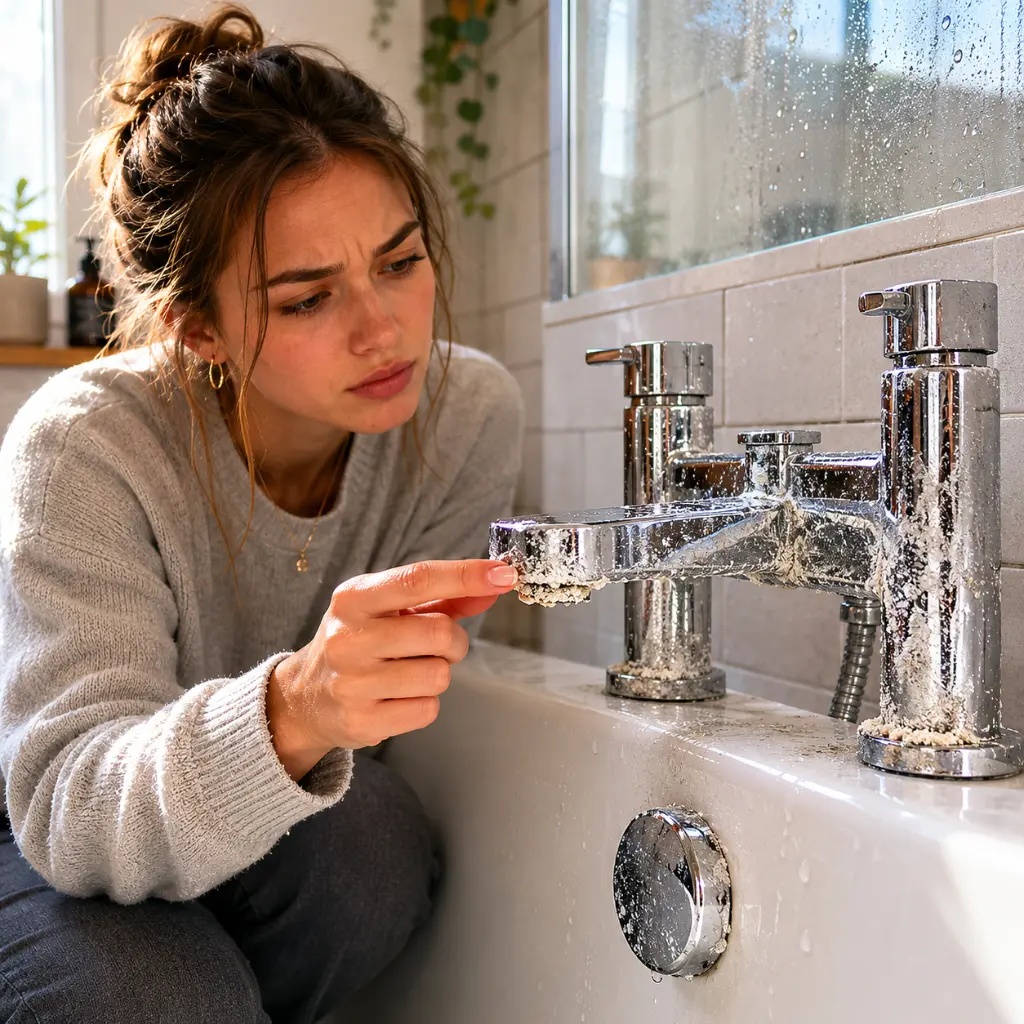
Visible limescale around taps and showerheads is usually one of the first indicators of hard water inside London homes. Mineral deposits collect steadily around aerators, spray nozzles, and chrome fittings where water dries regularly.
Showerheads may begin spraying unevenly or losing pressure through blocked nozzles. Taps often develop chalky white residue around the base and spout, making surfaces appear dull even after cleaning.
Bathrooms commonly experience the heaviest visible buildup because heated water encourages faster mineral separation. Shower screens may also develop cloudy marks that become increasingly difficult to remove once scale hardens onto the glass surface.
Frequent descaling may temporarily improve appearance, but recurring buildup often signals broader mineral accumulation affecting the household supply.
Soap and Cleaning Products Become Less Effective

Hard water changes how soap reacts during everyday household use. Instead of fully dissolving, soap combines with minerals, leaving residue on surfaces, fabrics, and bathroom fittings.
Many households notice soap scum collecting around sinks, shower trays, and baths despite regular cleaning. Shampoo and detergent may also become less effective because mineral-rich water reduces foaming and rinsing performance.
Laundry often feels rougher after washing, while glasses and dishes may appear spotted even after dishwasher cycles complete normally. Bathroom tiles and shower trays can also develop stubborn residue that becomes increasingly difficult to remove through ordinary cleaning.
These symptoms may seem minor individually, but together they often indicate significant mineral concentration within the household water supply.
Older Pipework Faces Greater Wear from Mineral Exposure
Properties with ageing plumbing installations are often more vulnerable to hard water damage because long-term mineral exposure gradually weakens internal pipe surfaces and fittings. Deposits collecting inside older pipework may combine with existing corrosion and sediment already present within the system, further restricting water movement and increasing strain around joints and valves.
Older fittings can also become increasingly difficult to operate as hardened scale interferes with normal valve movement over time. In more severe cases, valves may partially seize or fail to shut correctly after prolonged mineral exposure.
Victorian homes and converted London properties frequently experience these issues because sections of original plumbing often remain concealed behind walls, beneath floors, or inside older kitchen units long after renovation work has taken place.
Water Softeners Help Reduce Ongoing Plumbing Damage
Installing a water softener remains one of the most effective ways to reduce hard water damage throughout the property. These systems remove excess calcium and magnesium before water enters the household supply.
Whole-house water softeners help protect boilers, appliances, taps, and heating systems by limiting future scale accumulation. Many homeowners also notice cleaner shower screens, softer laundry, and improved soap performance after installation.
Some properties instead use inline inhibitors, magnetic descalers, or scale-reducing devices where a full softener installation may not be practical. The most suitable option usually depends on property size, plumbing layout, and overall water usage.
Reducing mineral accumulation early helps maintain steady water flow while lowering future maintenance demands.
Preventative Maintenance Helps Protect Plumbing Systems
Because hard water damage develops slowly, regular plumbing maintenance helps prevent larger problems later. Annual boiler servicing, radiator flushing, and routine inspections help identify scale-related issues before circulation becomes heavily restricted.
Cleaning taps and showerheads regularly also helps maintain better flow and prevents hardened deposits from becoming increasingly difficult to remove.
Properties with older plumbing systems benefit particularly from preventative inspections because many restrictions develop internally long before visible leaks or pressure problems appear around the home.
Addressing mineral buildup early usually costs far less than replacing heavily restricted pipework, damaged appliances, or worn heating components later.
When Professional Inspection Is Worth Considering
Minor limescale around taps can often be managed through routine cleaning. However, recurring pressure problems, noisy boilers, uneven radiator performance, or repeated appliance faults usually indicate more serious hard water plumbing issues affecting the wider system.
Professional inspection becomes especially important when reduced flow affects multiple fixtures or when heating efficiency continues to decline despite regular maintenance.
If you notice these warning signs developing across the property, it is worth contacting London Plumbing 24/7 before mineral buildup causes further damage to boilers, valves, appliances, or internal pipework.
Conclusion
Hard water remains one of the leading causes of gradual plumbing deterioration across London homes. Limescale accumulation in boilers, pipes, radiators, taps, and appliances can reduce water flow, affect heating performance, and increase household running costs over time.
Although the earliest signs often appear as white residue around fixtures or cloudy glassware, untreated mineral buildup can eventually affect much larger sections of the plumbing and heating network. Regular servicing, preventative maintenance, and appropriate water treatment solutions all help protect household systems from long-term mineral damage. If hard water problems continue affecting your property, London Plumbing 24/7 can provide reliable inspections and maintenance support before limescale begins damaging boilers, appliances, and internal pipework.