
Introduction
A continuously running toilet is often ignored in the early stages, as the fixture may still function normally despite the issue. However, a running toilet can waste a surprising amount of water over time and may indicate an underlying problem within the cistern. In many cases, it develops gradually and attracts little attention until water bills begin to rise or flushing performance starts to deteriorate. If concerns arise, professional plumbing services in London can help identify the source before it leads to unnecessary water loss or further damage. Understanding what causes a running toilet can help property owners address issues sooner, reduce water wastage, and avoid more disruptive plumbing repairs.
Why a Running Toilet Should Never Be Ignored
Small Fault, Bigger Consequences
A toilet constantly running may seem harmless at first, but even a small fault inside the cistern can lead to continuous water loss. Because the water often drains quietly into the pan, homeowners may not realise how much water is being wasted.
Over time, this excessive water usage can contribute to unexpectedly high water bills and reduced water efficiency throughout the property.
Hidden Leaks Often Go Unnoticed
A silent toilet leak causes many running toilets. Unlike leaking pipes or dripping taps the water remains contained within the toilet system, making the problem difficult to detect.
Because the leak remains largely out of sight, it can persist for an extended period before attracting attention, especially in less frequently used bathrooms.
Impact on Household Plumbing
Persistent toilet leaks do more than waste water. Continuous flow through the cistern can accelerate wear on seals, valves, and other internal components, increasing the likelihood of future bathroom plumbing repairs.
How a Toilet Cistern Works After Flushing
What Happens Inside the Cistern
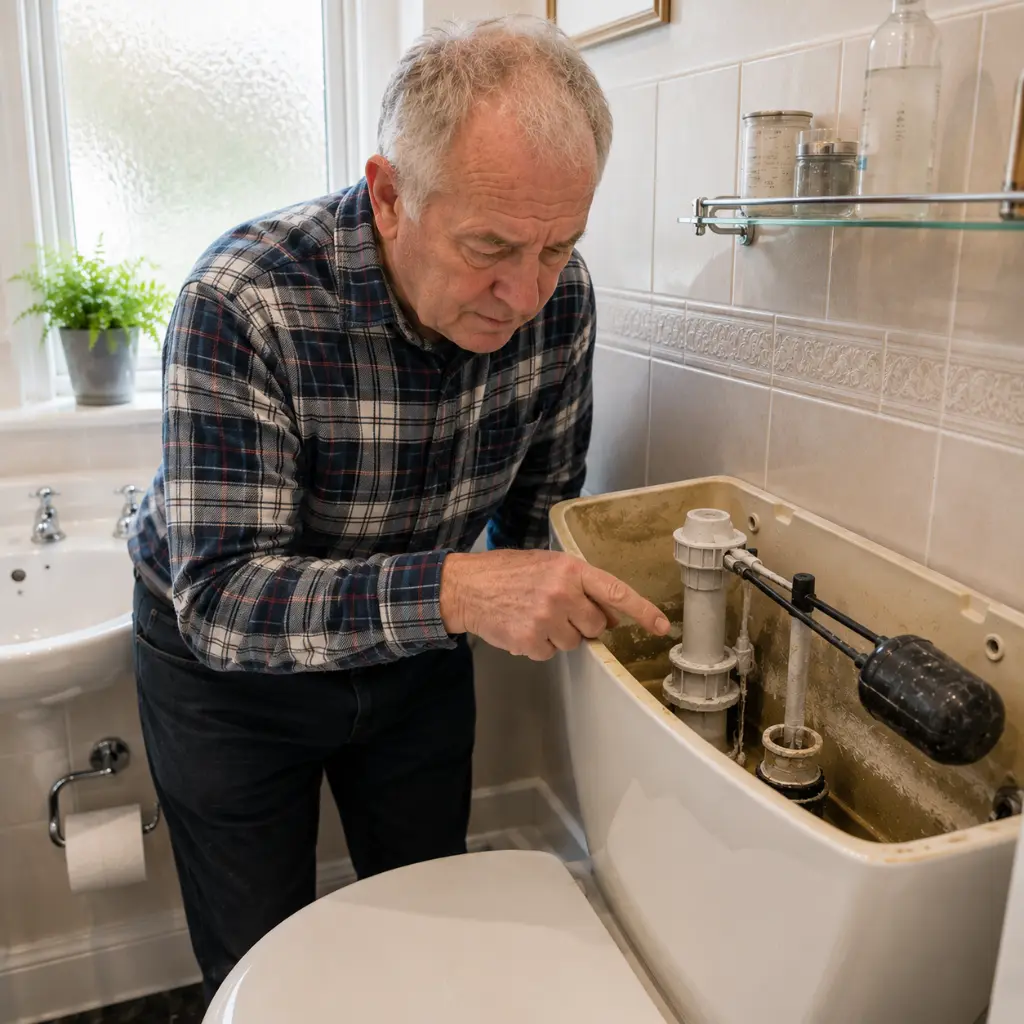
When the toilet is flushed, water stored inside the toilet cistern is released into the pan. Once emptied, various cistern components work together to refill the cistern and prepare it for the next flush.
These toilet internals include valves, floats, seals, and connecting mechanisms that regulate water flow and shut off the supply when the correct level is reached.
The Refill and Shut Off Process
As the cistern refills, the fill valve allows water to enter while the toilet float rises steadily with the water level. Once the correct level is reached, the supply should stop automatically.
When part of this mechanism fails to operate correctly, the toilet may continue refilling long after the flush cycle has finished.
Why Problems Develop
As components age, mineral deposits accumulate, and moving parts gradually wear down. These changes can interfere with normal operation and lead to persistent flushing problems.
The Most Common Causes of a Running Toilet
Worn Flush Valve Components
One of the most common causes of a running toilet is a faulty flush valve. The flush valve seal is designed to create a watertight barrier after each flush. If the seal becomes worn or damaged, water can slowly leak into the pan.
Problems with the toilet outlet valve can produce similar symptoms and often cause the toilet to run continuously.
Problems With the Fill Valve
A defective fill valve may continue allowing water into the cistern even after the correct water level has been reached. As a result, the toilet keeps filling up and may never shut off completely.
Wear, limescale deposits, and ageing internal components are among the most common causes of inlet valve failure.
Float and Overflow Issues
The float valve controls the amount of water stored within the cistern. If the float is damaged or incorrectly adjusted, the water level can rise beyond its intended position.
When this happens, excess water may flow into the overflow tube, creating a continuous cycle of refilling and discharge.
Flush Handle and Button Faults
Mechanical issues can also prevent the flushing mechanism from resetting properly. Problems with the toilet handle mechanism, flush chain adjustment, dual flush mechanism, or toilet button mechanism may prevent valves from closing fully after flushing.
Signs the Problem May Be Getting Worse
Repeated refilling noises can indicate that water is escaping from the cistern. As the level drops, the mechanism activates again to replace the lost water.
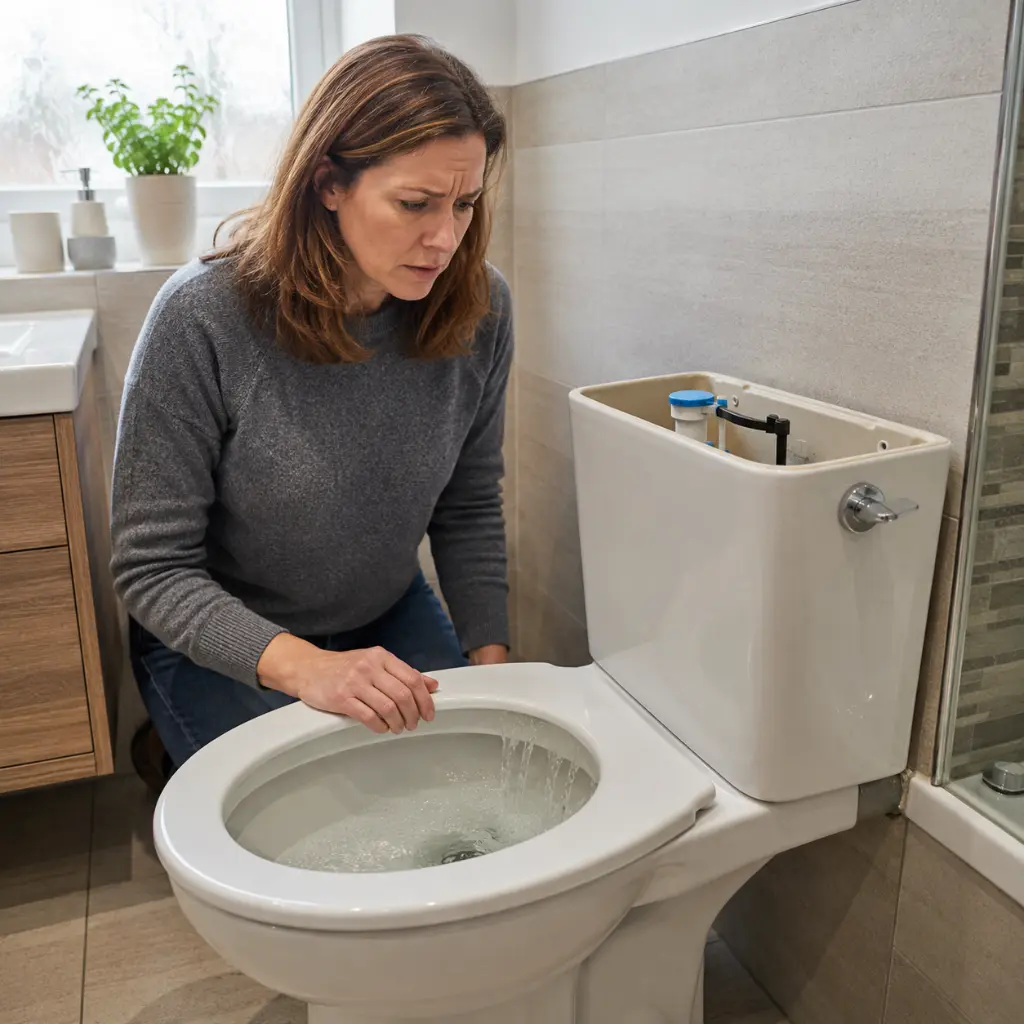
A continuous trickle of water into the toilet pan is often one of the clearest signs of a leaking toilet. Even a small but constant flow can waste a considerable amount of water if left unresolved.
Unexpected increases in water bills can sometimes point to a hidden toilet fault. Where no other obvious leaks are present, a running toilet may be responsible for a significant proportion of unnecessary water consumption. If water usage remains elevated after the toilet fault has been addressed, a concealed leak elsewhere in the plumbing system may be contributing to the problem, including hidden leaks beneath kitchen sinks.
Quick Ways to Identify Hidden Water Wastage
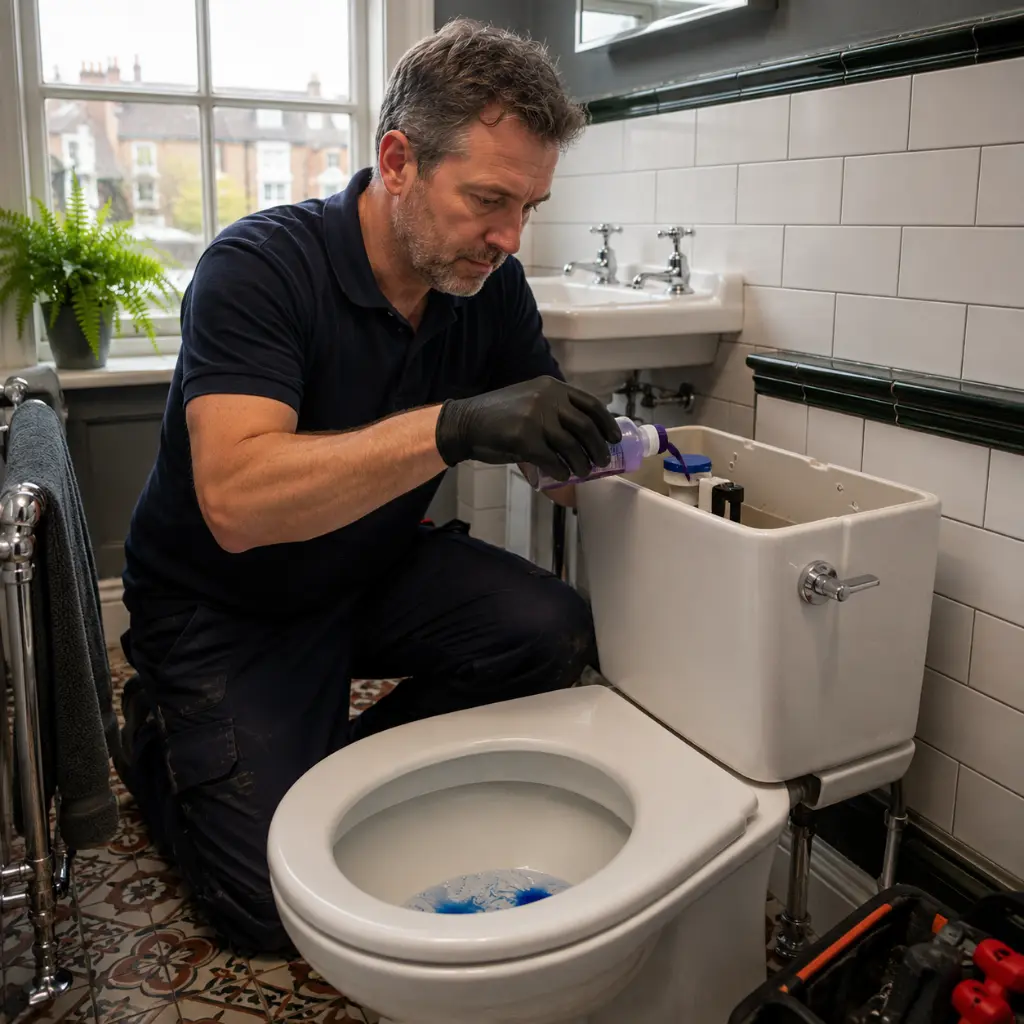
A few simple checks can help determine whether a toilet is wasting water unnecessarily. Looking inside the tank may reveal components that are not returning to their correct position after flushing. A food colouring test can also help identify water escaping into the pan without being visible. Monitoring your water meter before and after periods of non-use may provide further clues that water is continuously flowing through the system.
Why Toilet Components Stop Shutting Off Properly
Many running toilets occur because internal components can no longer move freely. In hard water areas, mineral deposits gradually build up around moving parts, affecting how they open and close during the refill cycle. Over time, these deposits can prevent mechanisms from sealing correctly or reaching their intended position, allowing water to continue flowing long after flushing has finished. This gradual decline often develops unnoticed until performance problems become more obvious.
Repair or Replace the Faulty Parts?
Many running toilet faults can be resolved through targeted component replacement. Flush valve replacement, inlet valve replacement, and other toilet component replacement work are often straightforward solutions.
If replacing commonly worn components fails to resolve the issue, the problem may be linked to a cracked cistern, damaged toilet pan, or a failing outlet seal elsewhere within the assembly.
Identifying the source of the fault accurately helps avoid replacing parts unnecessarily and ensures the most appropriate repair is carried out.
When to Contact a Professional Plumber
When the same issue repeatedly returns after adjustments or minor repairs, it often suggests a deeper fault within the flushing mechanism or water control system.
Some faults develop within concealed cistern components or hidden connections, making them difficult to identify without a closer inspection.
Professional Repairs and Maintenance
Experienced plumbers can carry out toilet servicing, bathroom pipe repairs and replacement, and system inspections to identify faults efficiently.
When basic checks fail to resolve the issue, a professional inspection can help uncover the source of the problem before additional water loss occurs.
Preventing Future Running Toilet Problems
Routine plumbing maintenance helps keep toilet components operating correctly and can highlight signs of wear before they develop into more disruptive faults.
Small issues are generally easier and less disruptive to resolve when addressed promptly. Early repairs can prevent larger plumbing repairs later.
Monitoring household water usage can help reveal unexpected increases that may point to a concealed leak. Good water efficiency habits contribute to long-term water conservation.
Conclusion
A toilet keeps running for several reasons, including worn valves, faulty floats, limescale deposits, and damaged cistern components. While the issue may seem minor initially, ongoing water loss can increase household costs and place additional strain on plumbing fittings.
Understanding how to fix a running toilet starts with identifying the underlying cause. Taking action early often prevents more extensive repairs and unnecessary water waste. If the problem continues or a concealed leak is suspected, London Plumbing 24/7 can assess the system and advise on the most appropriate solution.