Introduction
Pipework problems can be difficult for homeowners to judge. A leak, recurring plumbing fault, or sudden drop in water pressure may suggest that repairs are needed. Still, it is not always clear whether targeted pipe repair will be enough or whether wider pipe replacement should be considered. When uncertainty exists, pipework repair specialists in London can assess the condition of the system and identify the most practical course of action.
Factors such as corrosion, hidden leaks, and deteriorating pipe materials can all affect performance and reliability. Understanding the difference between repair, relining, and replacement helps property owners choose a practical solution without unnecessary disruption or expense.
Understanding the Condition of Your Pipework
Localised Damage Versus System-Wide Deterioration
Not all plumbing problems indicate widespread failure. A single leaking joint, cracked section of pipework, or isolated burst pipe may be suitable for targeted repair.
Why Age Matters
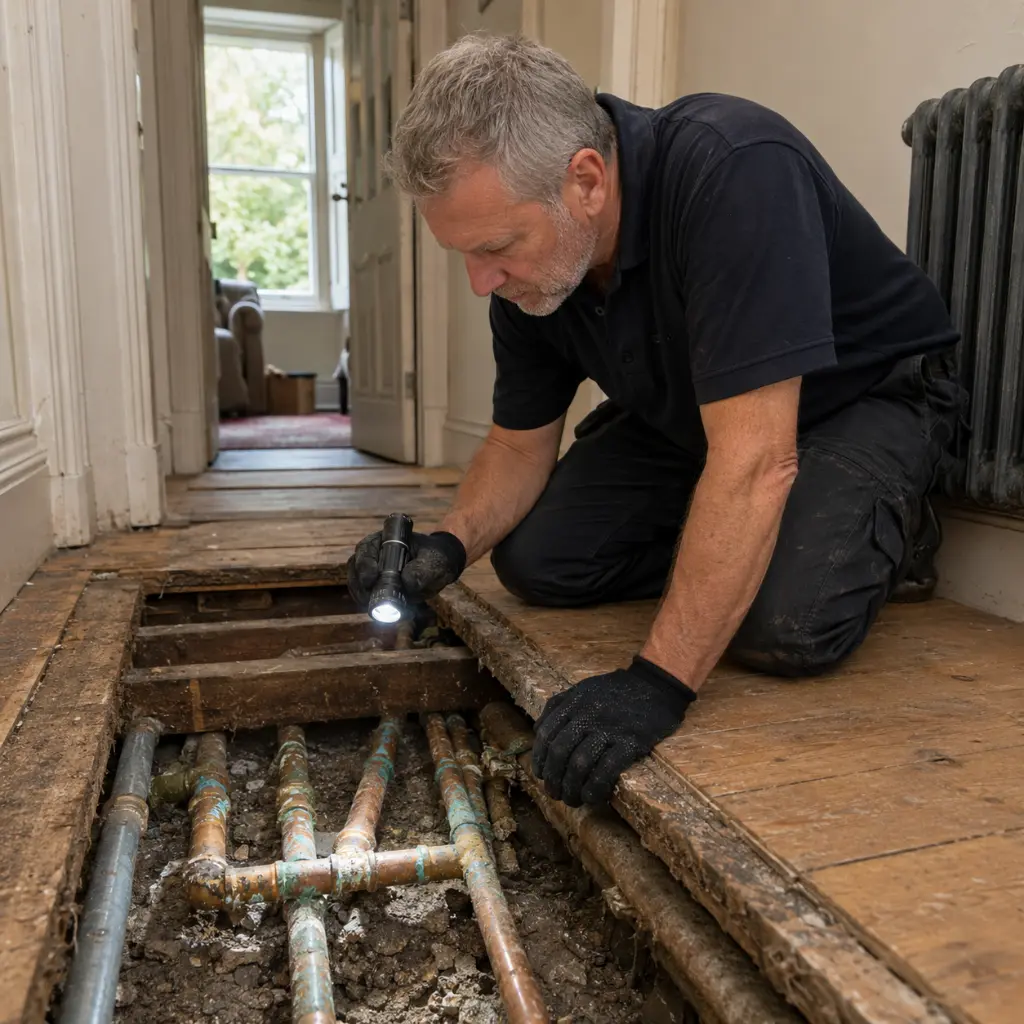
The age of a plumbing system often gives useful context. Older pipe materials can become more vulnerable to corrosion, mineral buildup, and structural weakness. While age alone does not mean replacement is required, it should be considered alongside pipe condition, water quality, and recurring faults.
Hidden Problems Below the Surface
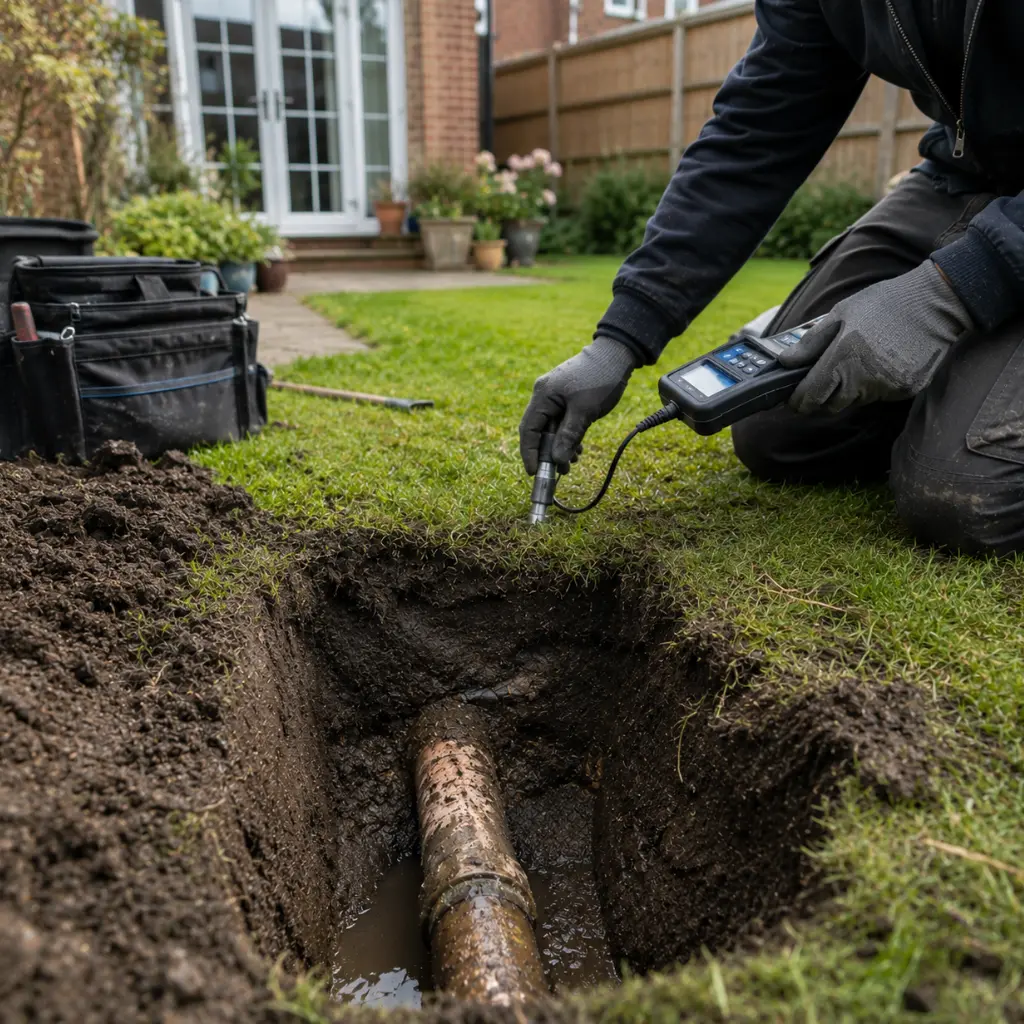
Some plumbing defects remain concealed for long periods. Pipework buried underground or hidden behind walls can deteriorate gradually before visible signs appear. Leaks, structural weaknesses, and underground pipe damage are often discovered only after water pressure, drainage performance, or property conditions begin to change. A detailed inspection provides a clearer picture of the overall system.
When Pipe Repair Makes Sense
Minor Leaks and Isolated Defects
Pipe repair is often the most practical option when damage is limited to one area. Water pipe repair, burst pipe repair, and cracked pipe repairs can restore normal use without disturbing larger sections of the plumbing system.
When Pipe Structure Remains Sound
Where damage is confined to a specific section and the surrounding pipework remains in good condition, repair work can provide a reliable outcome. Modern repair techniques allow plumbers to restore performance without replacing larger sections unnecessarily.
Reducing Disruption to the Property
Targeted repairs usually create less disruption than larger replacement projects. This can be especially helpful in occupied homes where access, flooring, decoration, or fitted units may otherwise be affected.
When Pipe Replacement Is the Better Investment
Recurring Leaks and Ongoing Failures
Repeated plumbing failures often indicate that pipework has reached a point where individual repairs are becoming less effective. Frequent leaks, recurring plumbing emergencies, and repeated repair visits may suggest that replacement offers better long-term value.
Water Quality and Flow Problems
Pipe deterioration not only affects reliability. Internal corrosion and mineral accumulation can contribute to rusty water, discolouration, reduced flow rates, and ongoing pressure issues. When these symptoms affect multiple areas of the property, broader remedial work may be worth considering.
Outdated Pipe Materials
Some older plumbing systems still contain materials that no longer perform well. Lead pipe replacement and the removal of ageing galvanised pipes are common examples where replacing water pipes can improve reliability, flow, and water quality.
Where Pipe Relining Fits Into the Decision
What Modern Pipe Relining Involves
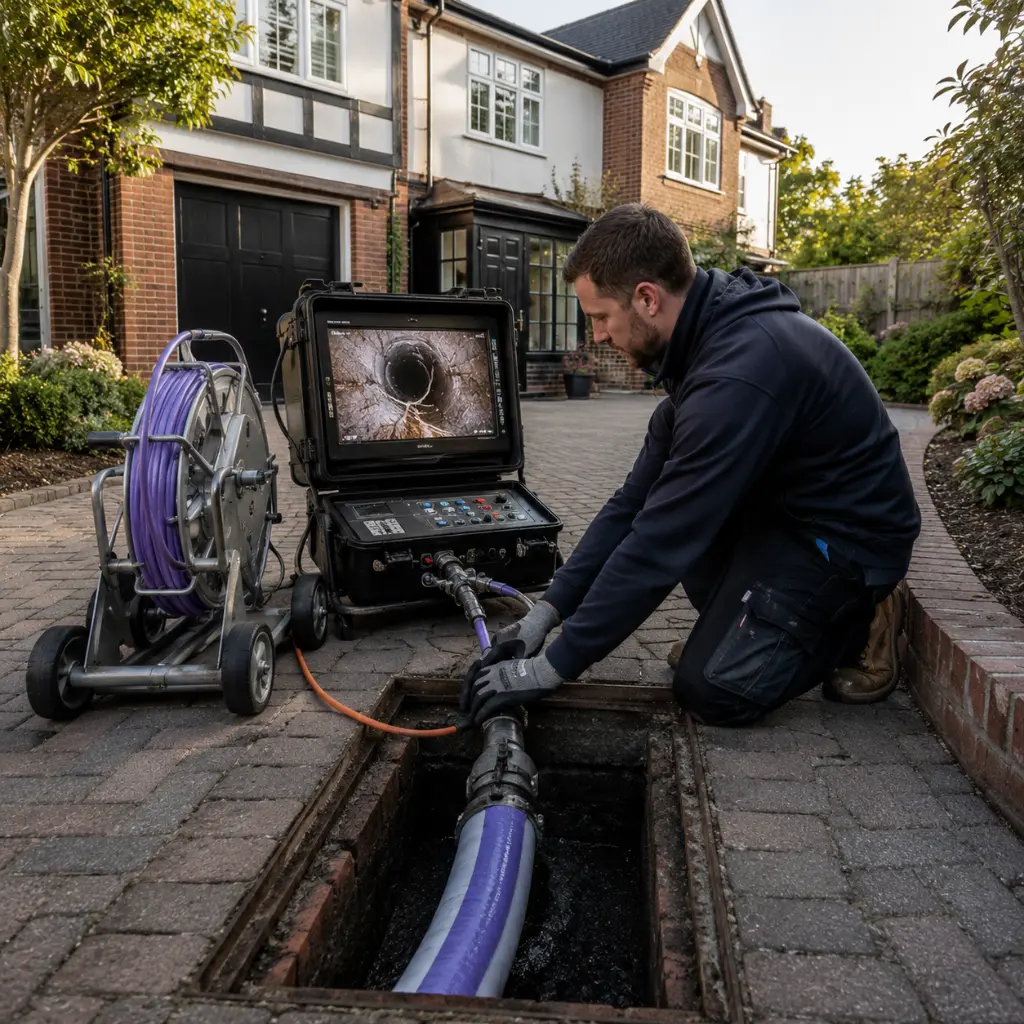
Pipe relining provides an alternative to traditional excavation. A structural liner is inserted inside the existing pipe, creating a new internal surface that restores integrity without removing the original pipework.
Benefits of Trenchless Methods
Trenchless pipe relining reduces the need for excavation, making it useful where underground pipes pass beneath gardens, driveways, patios, or landscaped areas. Less digging also means less disruption to the property.
Suitable Applications
Relining is commonly used where cracks, root intrusion, or localised deterioration affect underground pipes. Restoring the internal surface can extend service life without the disruption associated with excavation. However, pipes that have collapsed or lost structural stability generally require replacement.
Comparing Repair, Relining, and Replacement
Traditional pipe replacement may require excavation and access work, particularly where underground drainage systems are affected. Repair and relining methods generally involve less disturbance to the surrounding property.
Expected service life is an important consideration when comparing available options. A targeted repair may be appropriate for isolated defects, while relining or replacement can provide greater resilience where ageing pipework is showing signs of widespread deterioration.
A reliable plumbing system should not need constant intervention. Choosing the right option can improve day-to-day performance and reduce the likelihood of repeated maintenance visits.
Factors That Influence the Final Decision
Location of the Damage
The position of the fault often influences the best approach. Underground pipe repair, sewer pipe repair, and drainage infrastructure faults may require different methods from visible domestic pipework inside the property.
Severity of Pipe Deterioration
Minor corrosion and isolated defects are often repairable. Extensive corrosion, broken pipes, collapsed sections, or widespread structural damage may indicate that replacement is the more appropriate option.
Budget and Long-Term Value
Initial cost is only one part of the decision. While repairs can be the most economical choice in some situations, recurring faults may eventually make replacement or rehabilitation the more practical investment. Looking beyond immediate expenditure often provides a clearer view of overall value. In older properties, a full plumbing assessment may also reveal concerns beyond water pipework, including ageing gas supply lines that could benefit from inspection at the same time.
Making the Right Decision Before Work Begins
Choosing between pipe repair, relining, and replacement requires more than identifying the visible problem. A leak may appear isolated, while the surrounding pipework could remain in excellent condition. Equally, a small defect may be one symptom of wider deterioration. Understanding the extent of the damage, the location of the affected section, and the overall reliability of the system helps determine which solution is most appropriate. In older properties, a thorough inspection can also be a good opportunity to check whether ageing gas pipework may need attention alongside water supply systems.
Creating a Long-Term Plan
A practical way to approach the decision is to consider the scale of the problem. Localised defects often favour targeted repairs, underground pipes with limited access may be suitable for relining, and widespread deterioration can make replacement the more reliable option. Looking at the wider plumbing system rather than a single defect helps homeowners choose a solution that balances disruption, cost, and future reliability.
Preventing Future Pipe Problems
Ongoing Maintenance and Monitoring
Regular inspections play an important role in keeping plumbing systems reliable. Identifying corrosion, small leaks, or early signs of wear allows corrective work to be carried out before larger problems develop.
Addressing Early Warning Signs
Pipe leaks, corrosion, root intrusion, and changes in water quality should be dealt with promptly. Early action can prevent localised damage from developing into a more disruptive plumbing problem. Other plumbing faults should also be addressed promptly. For example, a toilet that keeps running after flushing can waste a significant amount of water over time and may indicate worn internal components that require repair.
Upgrading Vulnerable Sections
In some situations, replacing isolated sections of ageing pipework can improve overall plumbing system longevity. Modern corrosion-resistant materials may also reduce future maintenance requirements.
Conclusion
Pipe repair, pipe relining, and pipe replacement each solve different types of plumbing problems. The right approach depends on the location of the fault, the severity of the damage, and the overall condition of the system.While assessing plumbing concerns, homeowners should remain alert to warning signs such as recurring leaks, discoloured water, or declining water pressure, which may indicate wider pipe deterioration.
Rather than relying on assumptions, a professional inspection gives property owners a clearer basis for decision-making. If ageing pipes, recurring leaks, or water quality concerns are becoming more noticeable, London Plumbing 24/7 can assess the system and recommend a practical solution.