
Introduction
A gas leak is one of the most serious issues a homeowner can face. While some leaks are immediately noticeable, others can remain hidden until symptoms such as unusual smells, appliance faults, or physical symptoms begin to appear. Recognising these warning signs early can help protect your property, your household, and any gas powered appliances.
Gas leaks can originate from boilers, gas cookers, gas fires, gas meters, or underground pipework connected to the property. In London, older Victorian terraces, converted flats, and semi detached homes often require closer attention as gas infrastructure ages. Where potential issues are identified, professional plumbing and heating services in London can help assess the situation and recommend appropriate action. This guide explains the most common warning signs, potential symptoms, and the steps to take if you suspect a gas leak in your home.
Where Gas Leaks Can Occur
Indoor Sources of Gas Leaks
Many gas leaks originate from appliances that are used every day. A boiler gas leak, gas cooker leak, or gas fire leak can occur when seals wear out, fittings loosen, or internal components deteriorate. Faulty gas appliances may also develop leaks around connections and valves.
Gas meter connections can also become problematic, particularly in older properties where equipment has remained unchanged for many years. Regular servicing helps identify issues before they become more serious.
External Sources of Gas Leaks
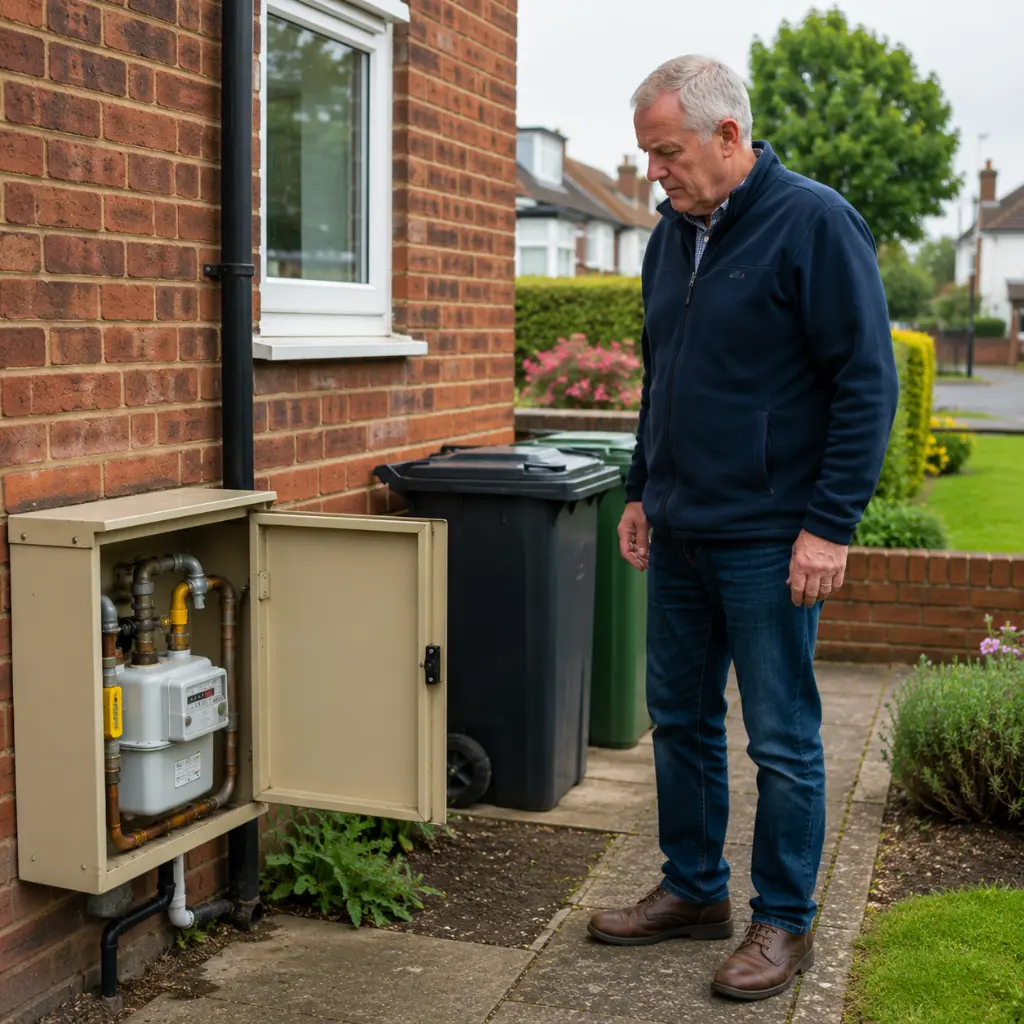
Not all leaks occur inside the home. Underground gas pipes, buried gas pipe leaks, and issues affecting the gas supply pipe can develop outside the property boundary. These faults may occur within the wider gas distribution network or closer to the home itself.
External leaks are often harder to spot and may only become apparent when visible changes appear around the property.
Common Indoor Warning Signs
Unusual Smells Around Appliances or Pipework
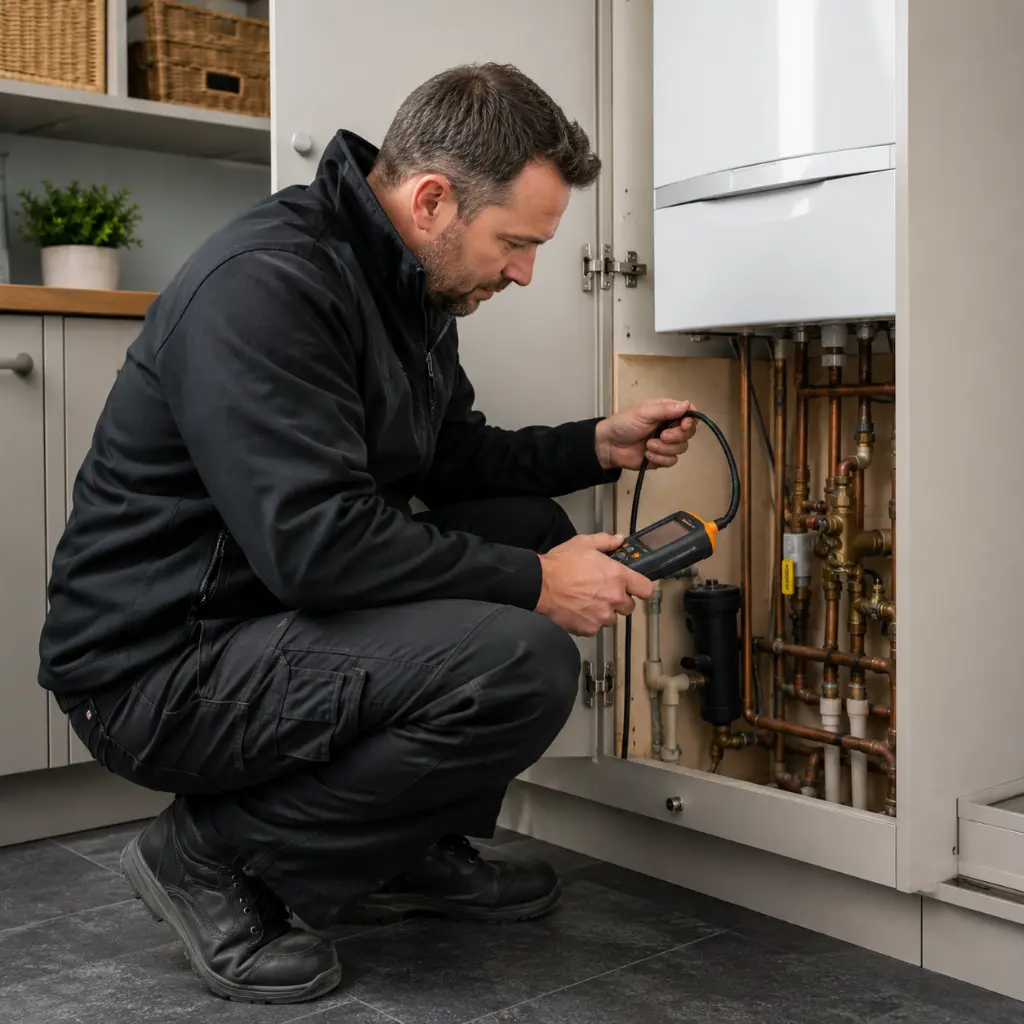
One of the most recognised gas leak warning signs is an unusual gas smell. Many people describe this as a rotten egg smell or a sulphur smell. If you notice a gas odour around a boiler, gas cooker, meter cupboard, or pipework, it should always be taken seriously.
A persistent smell that appears concentrated in one area of the property may indicate a hidden leak requiring prompt investigation.
Sounds That Should Not Be Ignored
A damaged gas connection may produce a hissing or whistling sound, particularly around appliances, meter boxes, or exposed pipework. Any suspected gas escaping noise should be investigated promptly.
Changes in Appliance Performance
Pilot light problems or flames that appear yellow or orange rather than blue can indicate appliance faults or incomplete combustion. Any change in flame appearance should be professionally assessed.
Unexpected Increases in Gas Usage
A sudden rise in gas consumption without a clear explanation may warrant further investigation. While seasonal changes can increase energy use during colder weather, unusually high gas bills can sometimes indicate a hidden gas leak.
Monitoring gas usage regularly can help highlight unexpected increases that may require further investigation.
Physical Symptoms of Gas Exposure
Symptoms Affecting Adults
The effects of gas exposure can differ from one person to another, depending on the severity of the leak and how long exposure has occurred. Common signs may include headaches, dizziness, tiredness, nausea, or difficulty breathing. As these symptoms can resemble everyday illnesses, it is worth considering whether they lessen when spending time away from the property.
Signs Affecting Children and Vulnerable Occupants
Children, older adults, and people with existing health concerns may be more sensitive to changes in indoor air conditions. Signs may include flu like symptoms, irritation of the eyes or throat, and a general feeling of being unwell while at home. Where multiple occupants experience the same symptoms, further investigation is advisable.
Changes in Pet Behaviour
Pets may also show signs that something is wrong within the home environment. Unusual tiredness, changes in behaviour, or unexplained signs of illness can sometimes occur when a gas related issue is present. While these symptoms can have many possible causes, they should not be overlooked when other gas leak warning signs are also present.
Outdoor Signs That May Indicate a Gas Leak
An underground gas leak can sometimes affect nearby vegetation, causing isolated areas of discoloured or damaged growth. In some situations, disturbed ground, bubbles in standing water, or visible vapour close to the surface may also indicate escaping gas and should be investigated promptly.

Why Gas Systems Develop Faults Over Time
Gas leaks rarely occur without an underlying cause. Over time, gas installations are exposed to wear, environmental conditions, and ongoing use that can affect their condition. Seals, joints, valves, and pipe connections may gradually deteriorate, increasing the risk of gas escaping from the system.
External factors can also contribute. Ground movement, nearby construction work, and root growth may place pressure on buried pipework, while older gas infrastructure can become more vulnerable as materials age. Regular servicing and routine inspections help identify developing issues before they affect the safety or reliability of the gas supply.
Why Gas Leaks Must Never Be Ignored
Immediate Safety Risks
Gas leak hazards extend beyond inconvenience. Escaping gas can create serious property safety concerns and should always be treated as an urgent matter.
Any indication of a possible gas leak should be taken seriously until the source of the issue has been properly identified.
Carbon Monoxide Related Concerns
Certain appliance faults can increase carbon monoxide risk, particularly where ventilation issues are present. Carbon monoxide exposure can occur without obvious warning signs, making proper appliance maintenance essential.
A properly maintained carbon monoxide alarm offers valuable additional protection within the home.
Impact on Household Comfort
Gas leaks can also disrupt heating and hot water systems. Homeowners may experience boiler issues, reduced heating performance, or interruptions to domestic hot water supplies, affecting both comfort and day-to-day routines. Where heating performance remains poor after a gas fault has been resolved, issues such as radiator sludge may also be contributing to the problem.
What To Do If You Suspect a Gas Leak
Any suspected gas leak should be treated as a priority. If you notice a strong gas smell, hear unusual hissing sounds, or experience symptoms that could indicate gas exposure, focus first on protecting occupants and reducing potential risks within the property.
Where it is safe to do so, increase ventilation by opening doors and windows and avoid actions that could introduce an ignition source. If concerns remain, leave the affected area and arrange for appropriately qualified professionals to investigate. Prompt diagnosis helps identify the source of the leak and ensures any necessary repairs can be carried out safely.
Reducing the Risk of Future Gas Leaks
Routine gas appliance servicing helps identify worn components before they fail. Boilers, gas fires, and cookers should all be inspected and maintained according to manufacturer guidance.
Gas safety checks help confirm that appliances and pipework remain in good condition, particularly in older properties.
Gas pipe maintenance should be included as part of routine property upkeep. Identifying and addressing minor concerns early can help prevent more significant gas system faults from developing.
Conclusion
Recognising the warning signs of a gas leak is an important part of protecting both your household and your property. Changes in appliance performance, unusual odours, unexplained symptoms, and signs affecting outdoor pipework can all indicate that further investigation is needed.
Although some warning signs may appear minor at first, gas related issues should never be left unresolved. Early action helps reduce risk, supports safe appliance operation, and prevents small concerns from developing into more serious problems. If a gas leak is suspected, London Plumbing 24/7 can arrange a professional inspection and advise on the most appropriate next steps.