
Introduction
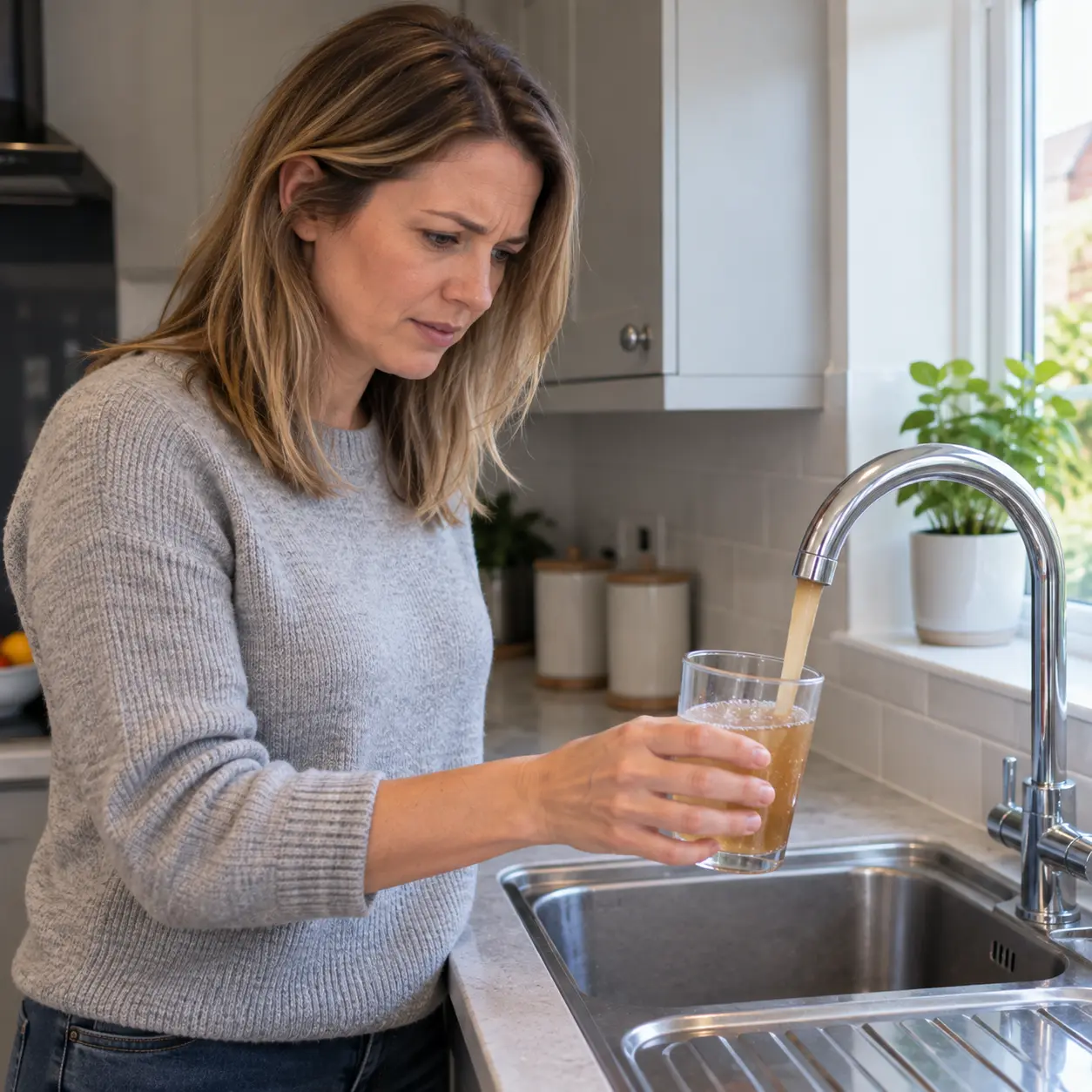
Brown water coming from your tap can be worrying, especially when the water normally runs clear. A sudden change in colour can make you question whether there is a problem with your plumbing or whether the water is safe to use.
But the cause is not always easy to identify just by looking at the water. The problem could be limited to one tap, affect several taps around the property, or appear only when you run hot water, so checking where and when the discoloration occurs can help narrow things down.
Knowing what to check when you notice brown water from tap can help you understand where the problem may be coming from and decide what to do next. If the issue continues and you need professional advice, emergency plumbing services in London can help identify the cause and recommend the right next step.
Why Is My Water Brown?
There is no single reason for brown water. The source can be somewhere inside your home, in the incoming mains supply or, for properties using a private supply, in the groundwater itself.
Rust and Corrosion in Older Pipes
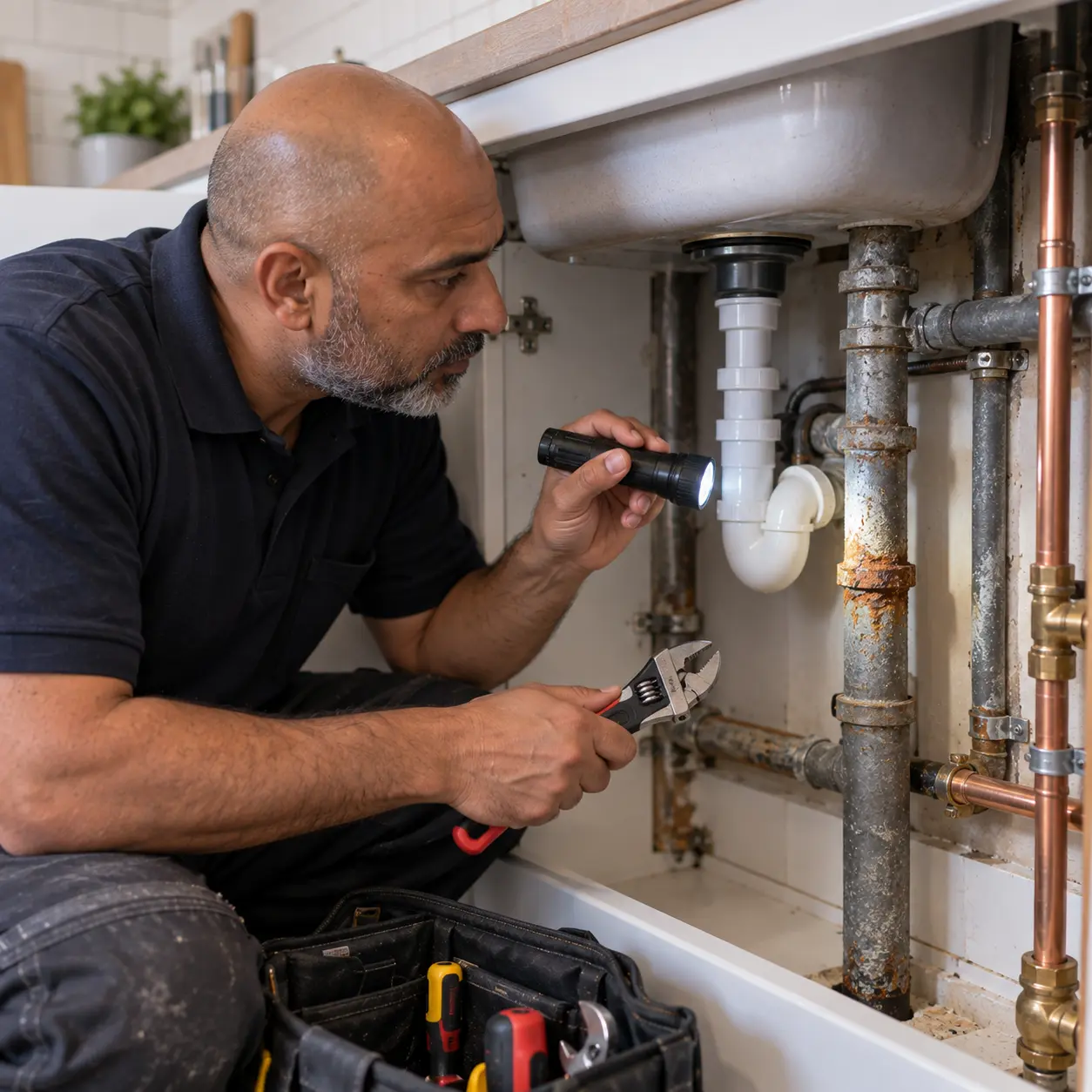
Older plumbing can develop internal corrosion over time. As the inside of a metal pipe deteriorates, small rust particles can break away and enter the water.
This can be particularly noticeable when a tap has not been used for some time. Water sitting inside a corroded section of pipe can pick up rust and appear orange, brown or reddish when you first turn the tap on.
Older galvanised steel and cast iron pipes are more likely to cause this type of discolouration.
Water Main Flushing and Pressure Changes
Sometimes the plumbing inside your home is not the problem at all. Water companies carry out maintenance, water main flushing and other work that can disturb sediment sitting inside the mains.
A sudden pressure change can also move rust and sediment through the water supply. This can explain why several taps suddenly produce brown water even though nothing has changed inside your property.
Sediment and Mineral Build-Up
Sediment can collect in pipes and water systems over time. When that material becomes disturbed, it can make otherwise clear water look murky or brown.
Natural minerals can also affect water colour. Iron, manganese and other substances can enter water supplies and leave visible deposits or staining around taps, sinks and toilets.
Water Heater Sediment and Corrosion
If the discolouration only appears when you use hot water, the water heater deserves attention.
Sediment can settle inside the tank, while corrosion can affect components within the system. When this material gets into the hot water supply, it can cause brown or rusty-looking water from hot taps.
Well Water and Natural Minerals
Properties using private well water can experience different causes of discolouration. Groundwater may naturally contain iron, manganese, tannins or sediment, depending on the local conditions.
Heavy rainfall, drought conditions and changes in the water table can sometimes affect the quality or appearance of well water. If you rely on a private supply and notice a sudden or persistent colour change, proper water quality testing can help identify what is present.
What Should You Do When Brown Water Is Coming From Your Taps?
Check for local water supply notices next, especially where the change appeared suddenly and affects the whole property. That single check will often explain the problem without any further investigation.
Avoid taking apart plumbing or attempting repairs while the cause is still unclear. Basic checks are sensible, but forcing open fittings or disturbing older pipework can turn a temporary nuisance into a leak.
How to Fix Brown Hot Water
Where the hot taps alone are affected, the fix sits inside the hot water system rather than the wider plumbing. Sediment that has built up in a tank can sometimes be flushed out, but flushing will not resolve corrosion that has already taken hold in the tank or its components.
At that point the affected part usually needs professional repair or replacement. A water heater holds stored hot water under pressure and is connected to a fuel or power supply, so this is not work to attempt without the right qualifications.
Where a supply disturbance has stirred up temporary sediment, running a cold tap for a short period will often clear it. Use a cold tap rather than a hot one, since running the hot side simply draws more discoloured water into the cylinder.
Give it a few minutes rather than a few seconds, then check whether the water is running clear before you go back to normal use. If the colour has not improved, stop and investigate rather than continuing to run water off.
Discolouration that keeps returning, or that leaves visible rust particles behind, is not a flushing problem and needs proper investigation.
Is Brown Tap Water Safe to Drink?
It is better not to drink or cook with visibly brown water until you know why it has changed colour.
Brown water can contain rust or sediment, but discolouration alone cannot tell you whether other contaminants are present. If the water supply has been affected by maintenance or a known disturbance, follow the advice provided by your water supplier.
If the colour persists without an obvious explanation, arrange appropriate water quality testing or seek professional advice rather than assuming the water is safe because it has no unusual smell.
It is also worth separating supply problems from waste ones. A brown tinge in standing water around a plug hole is a drain that needs cleaning rather than a sign that the incoming supply is discoloured.
Get Help With Persistent Brown Tap Water
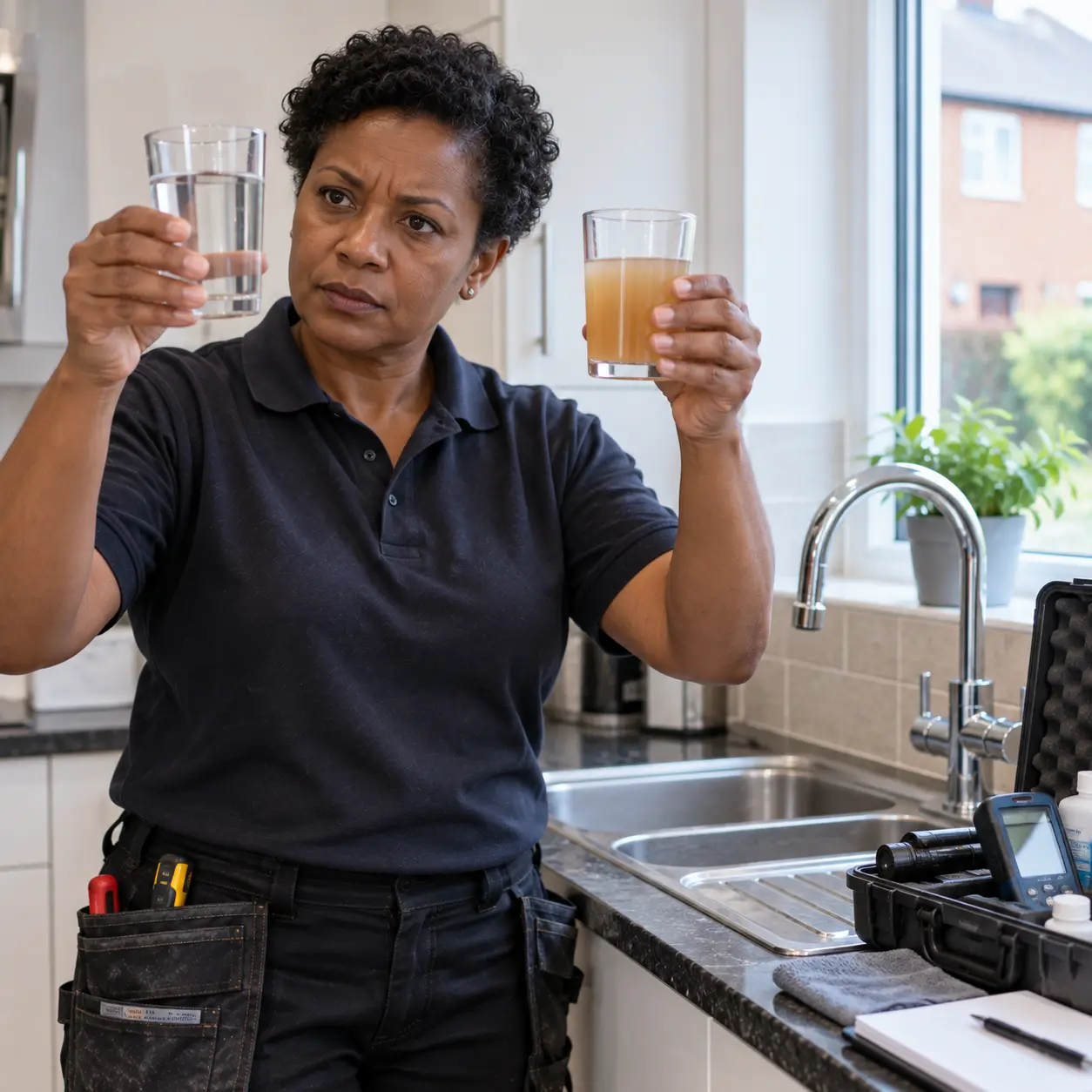
Brown water should not be ignored when it keeps coming back or has no obvious explanation. Finding the source early can help prevent a simple plumbing issue from becoming a larger problem.
London Plumbing 247 Ltd provides 24/7 emergency plumbing and heating services across North West London, with licensed and insured plumbers available for plumbing repairs, pipework, water heaters and other heating and plumbing needs. If the cause of your discoloured water is proving difficult to identify, you can contact the team through the enquiry route on the website.
Frequently Asked Questions
Can I fix brown water issues myself?
You can carry out a few basic checks, such as testing several taps, comparing hot and cold water and checking for local water supply notices. If the discolouration persists or you suspect corrosion, damaged pipework or a water heater problem, arrange a professional inspection rather than attempting a complex repair yourself.
Why is my hot water brown but cold water clear?
When only the hot water is brown, the cause may be inside the hot water system. Sediment or corrosion within a water heater can affect the water supplied to hot taps, so persistent discolouration should be professionally assessed.
Why is brown water coming from only one tap?
A single affected tap can indicate a problem with that fixture, its aerator or the pipework serving it. Check another tap to see whether the water is clear elsewhere before deciding whether the issue affects the wider plumbing system.