
Introduction
To bleed a radiator, switch off the heating and allow the radiator to cool, locate the bleed valve, then use a radiator key to slowly open the valve until trapped air escapes. When water begins to come through steadily, close the valve carefully and check the boiler pressure before turning the heating back on.
Knowing how to bleed a radiator can help when trapped air is preventing hot water from circulating properly through part of the radiator. The process is usually straightforward, but it is important to work carefully and check the heating system afterwards.
If the problem continues, radiator maintenance in London can help identify and resolve the underlying issue.
Why Do You Need to Bleed a Radiator?
Hot water needs to circulate through the radiator so that its surface can warm evenly. When air becomes trapped inside, it can collect near the top and prevent hot water from filling that section properly.
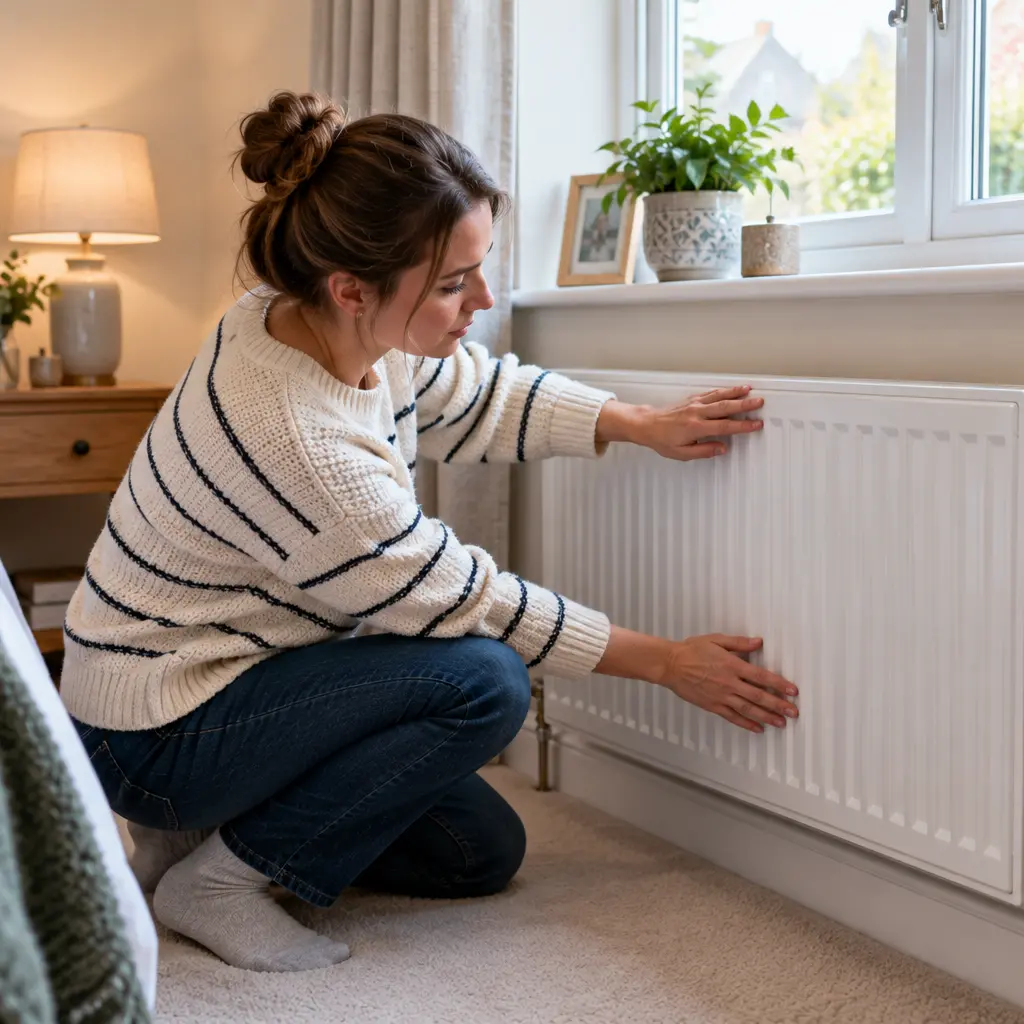
A radiator that is warm at the bottom but noticeably cooler at the top is a common sign of trapped air.
Radiator bleeding releases this trapped air through the bleed valve. Once the air has been removed, water can fill more of the radiator and circulate as intended.
What You Need to Bleed a Radiator
You normally need only a few basic items:
- A radiator key or suitable radiator valve key
- A cloth or old towel
- A small container to catch water if required
Many radiators use a square bleed valve that accepts a standard radiator key. Other designs may use a different fitting, so check the valve before trying to turn it.
Avoid forcing a key or tool that does not fit correctly.
How to Bleed a Radiator Step by Step
If you are wondering how to bleed a radiator safely, the main steps are straightforward. Take your time, particularly when opening and closing the bleed valve.
1. Turn Off the Central Heating
Switch off the central heating before opening any radiator bleed valves. If your heating is controlled by a boiler timer , check that it is not due to switch on while you work, or set the control to off rather than leaving it in timed mode.
This allows the radiators to cool and stops the heating pump from circulating water while you work. Trying to bleed a hot radiator can expose you to hot water and makes the process harder to manage safely.
Wait until the radiator is cool enough to work around comfortably.
2. Identify Which Radiators Need Bleeding
Check the radiators around the property rather than automatically bleeding every one.
A radiator with trapped air often feels cooler across the top while the lower section is warmer. Gurgling noises can provide another clue. If the sound comes from the boiler itself rather than a radiator, bleeding may not solve it, as a boiler making noise can point to other causes such as restricted circulation.
If several radiators show similar symptoms, there may be air within more than one part of the system.
3. Find the Radiator Bleed Valve
The bleed valve is usually located near the top of the radiator, often at one of the upper corners.
Look for a small fitting with an opening for a radiator key or another suitable tool. Do not confuse the bleed valve with the larger valves connected to the pipework at the bottom of the radiator.
Place a cloth below the valve before opening it. A small container can also be useful if there is enough room to position one beneath the opening.
4. Insert the Radiator Key
Fit the radiator key securely onto the bleed valve.
Make sure it sits correctly before applying pressure. If the valve is difficult to move or appears damaged, avoid using excessive force.
A stiff valve may require professional attention, particularly if there is a risk of damaging the fitting or causing a leak.
5. Slowly Open the Bleed Valve
Turn the key slowly to open the valve slightly. On many radiators this involves turning anticlockwise, but you should check the valve arrangement if you are unsure.
You do not need to remove the valve or open it fully.
6. Wait Until Water Appears
Allow the trapped air to escape until the hissing reduces and water begins to emerge consistently.
Once there is a steady flow of water rather than air, the radiator has generally released the trapped air from that point.
7. Close the Bleed Valve
Carefully turn the radiator key in the opposite direction until the valve is closed.
Check the Boiler Pressure After Bleeding
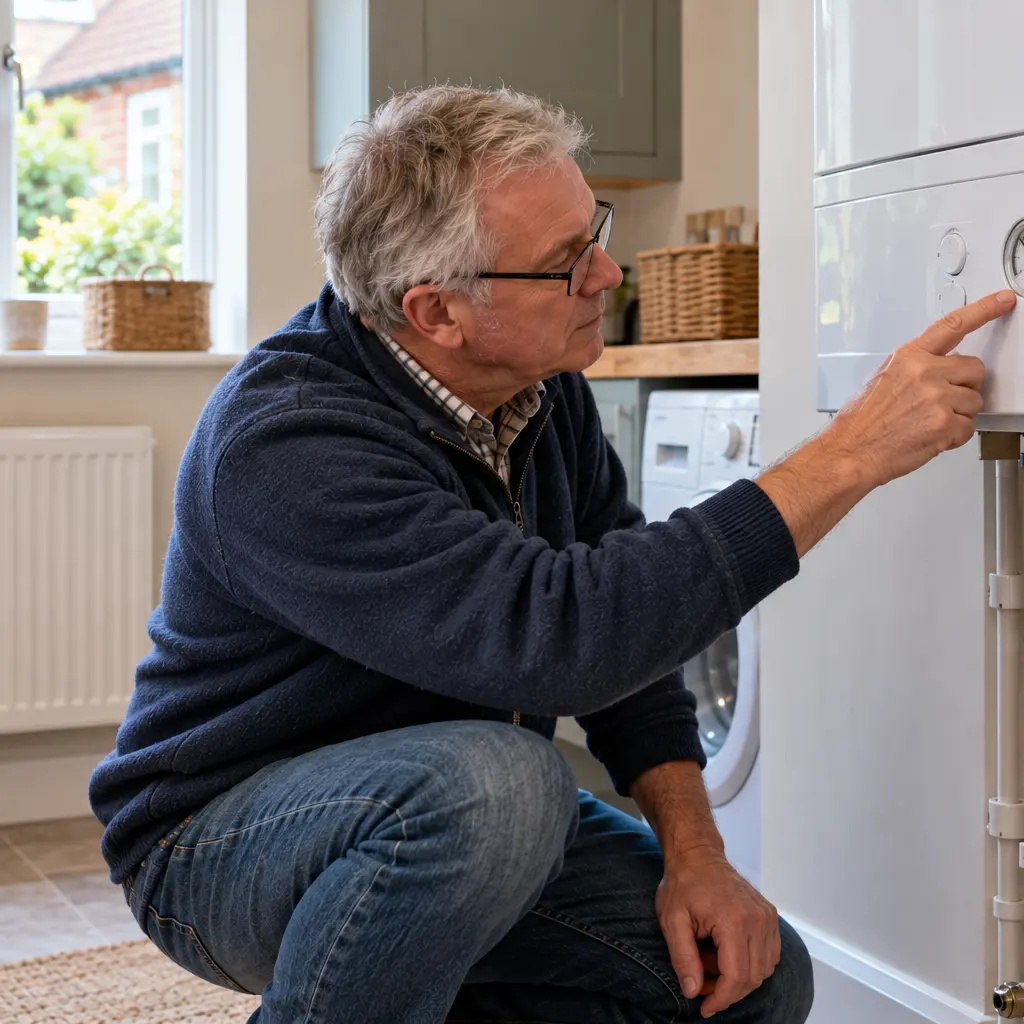
After bleeding the radiators, check the boiler pressure gauge or digital pressure display. Bleeding can cause some pressure loss in a sealed central heating system, so compare the reading with the range specified in your boiler manufacturer’s instructions.
The recommended pressure can vary between boilers and may differ when the system is hot or cold. If the pressure is below the specified range, follow the manufacturer’s instructions for repressurising the system. If the pressure keeps dropping after bleeding, the cause may need further investigation.
How Do You Know When a Radiator Needs Bleeding?
The main symptom is that the radiator doesn’t heat up properly, or doesn’t do so evenly. It’s also common to hear strange noises when you turn on the heating, like gurgling or sputtering sounds, which are caused by air that has built up in the system and needs to be removed.
Furthermore, it’s important to note other details, such as the radiator taking longer than usual to reach the desired temperature or the boiler pressure having dropped for no apparent reason.
Conclusion
Knowing how to bleed a radiator is useful when trapped air is preventing the radiator from warming evenly.
If your radiators remain cold, repeatedly collect air, leak from the valve, or are accompanied by ongoing boiler pressure problems, the heating system may need further attention. London Plumbing 247 Ltd provides radiator, boiler and heating services across North West London, with round-the-clock support available when a plumbing or heating problem requires professional help.