
Introduction
Radiators are an important part of central heating systems, providing consistent warmth throughout UK homes. Modern radiators are also more efficient and available in a wide range of stylish designs. The main types of radiators found in UK homes include panel, column, vertical, designer, towel, cast iron, aluminium and electric radiators. They all provide heat to a room, but they differ in design, material, orientation, heat output and the way they connect to the heating system.
Choosing between the different types of radiators is not simply a matter of appearance. Room size, available wall space, heat loss, insulation and the existing heating system all influence which option is suitable.
For professional radiator services in London, homeowners can seek help with installation, repairs and maintenance.
What Are the Main Types of Radiators?
Understanding the main radiator designs makes it easier to narrow down the options before looking at sizes and heat output.
Column Radiators
Column radiators are made up of a series of vertical sections that create a distinctive traditional appearance. They combine practical heating with a classic style that suits many UK homes.
How they work
Hot water circulates through the vertical columns, heating the radiator and transferring warmth into the room. The number and size of the columns can affect the radiator’s overall heat output.
Vertical Radiators
Vertical radiators are tall, wall-mounted radiators designed to use vertical wall space rather than extending widely across the wall. Their slim footprint can make them a practical option for rooms where floor and wall space are limited.
How they work
They work in much the same way as conventional horizontal radiators, with heated water circulating through the radiator and transferring warmth into the room.
Designer Radiators
Designer radiators combine everyday heating with a more distinctive approach to interior design. They are available in a wide range of shapes, sizes and styles to suit different room schemes.
How they work
Like other radiators, they transfer heat into the room through a central heating system or another compatible heating setup. Their design can vary from simple contemporary forms to more sculptural shapes and finishes.
Towel Radiators
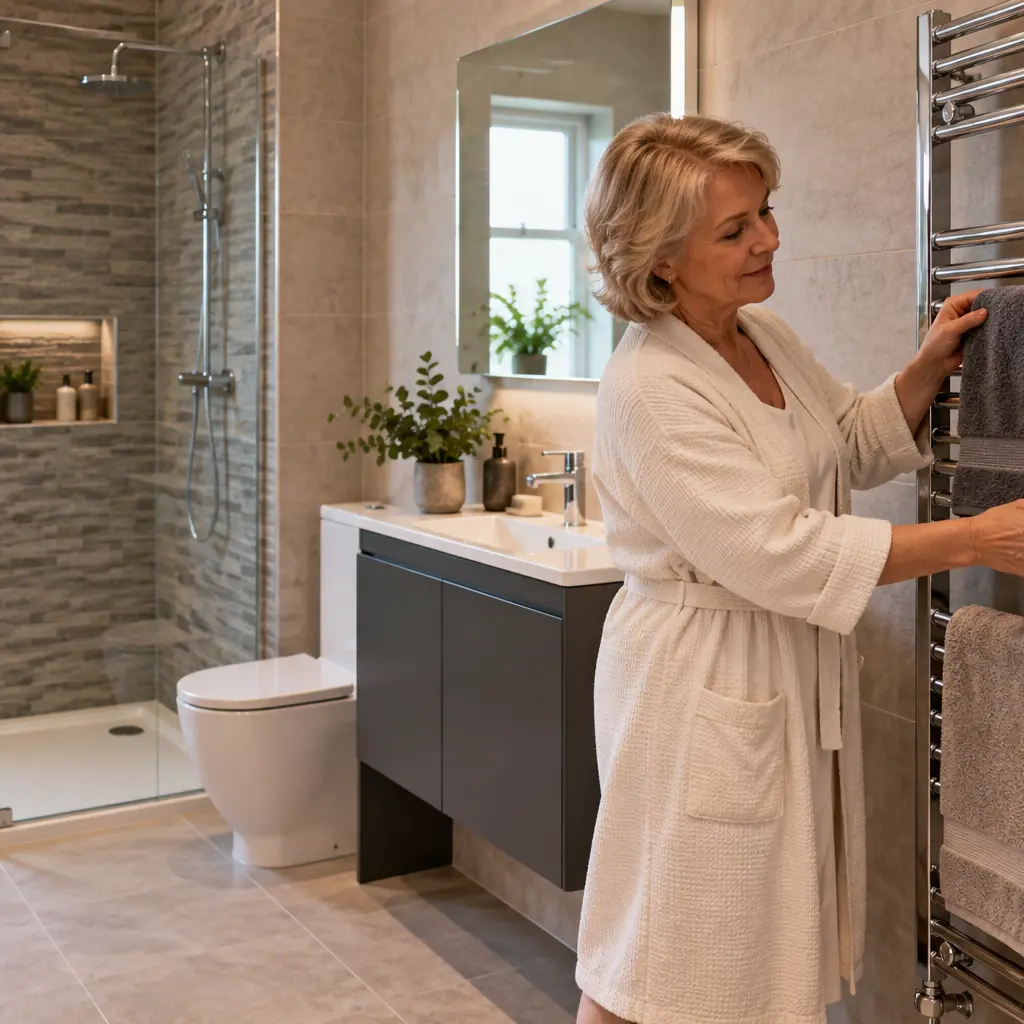
Towel radiators, also known as heated towel rails, are designed for bathrooms and other spaces where towels need to be kept warm and dry. Their rail-style design provides useful hanging space while also helping to heat the room.
How they work
Depending on the model, a towel radiator can connect to a central heating system, run from electricity or use a dual-fuel setup. Heated water or an electrical heating element warms the rails, which then transfer heat into the surrounding space.
Cast Iron Radiators
Cast iron radiators are traditional heating units made from cast iron, known for their substantial construction and classic appearance. They are often associated with period properties and traditional interior styles.
How they work
Hot water circulates through the interconnected sections of the radiator, heating the cast iron and allowing it to radiate warmth into the room. The material also retains heat for a period after the heating system stops running, which is worth considering when you set the timer on your boiler.
Aluminium Radiators
Aluminium radiators are lightweight heating units made from aluminium, a material that transfers heat efficiently. They are available in a range of conventional and contemporary designs to suit different interiors.
How they work
Heated water circulates through the radiator, warming the aluminium and transferring heat into the room. Aluminium responds relatively quickly when the heating is turned up or down, allowing the radiator to adjust to changes in heating demand.
Electric Radiators
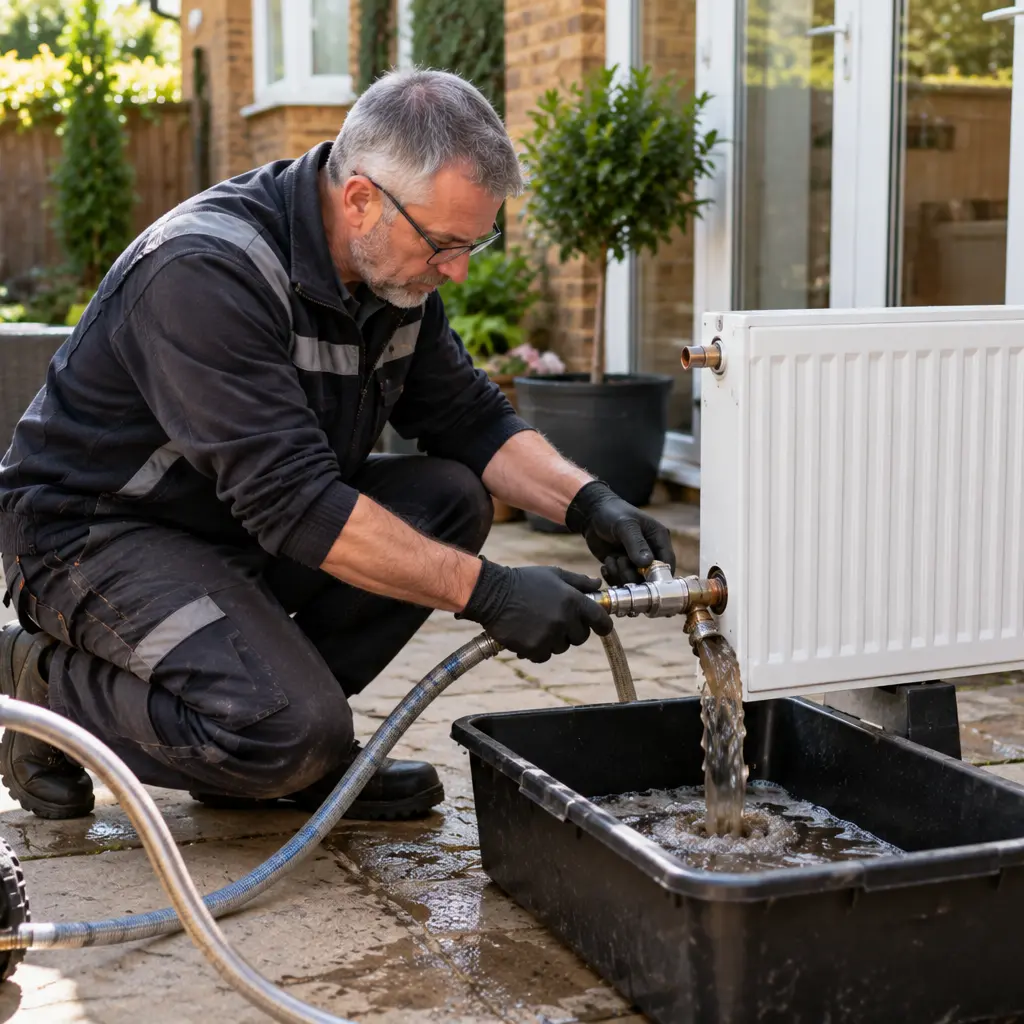
Electric radiators are standalone heating units that run from the mains electricity supply rather than relying on a wet central heating system. They can be used to provide heating in individual rooms or as an additional source of warmth.
How they work
An internal electrical heating element converts electricity into heat, which is then released into the room. Many electric radiators can be controlled separately, allowing the heating level to be adjusted for the individual room.
Radiator Types by Panel and Convection Design
Panel radiators can be further classified according to the number of panels and convector fins they contain.
Single Panel Radiators
Single panel radiators have one main heating panel, giving them a relatively slim profile. Some models also include convector fins to increase the available heating surface.
How they work
The panel heats up as hot water circulates through the radiator, transferring warmth into the room through a combination of radiation and, where fitted, convection.
Double Panel Radiators
Double panel radiators have two heating panels, with many models also featuring convector fins between or behind the panels. This gives them a larger heating surface than single panel designs.
How they work
Hot water circulates through the panels, which heat the surrounding air and surfaces. Convector fins can also encourage warm air to rise through and around the radiator.
Triple Panel Radiators
Triple panel radiators contain three heating panels, creating a larger heating surface within a similar wall width. They are generally deeper than single and double panel models.
How they work
Hot water passes through the panels, allowing the larger surface area to transfer heat into the room. Convector fins may also be included to increase heat transfer through air movement.
Convection Radiators
Convection radiators are designed to transfer heat through the movement of warm air around the heated surface. Many modern panel radiators combine convection with radiant heat.
How they work
Cooler air enters around the lower part of the radiator and warms as it passes across the heated panel or convector fins. The warmer air then rises into the room, creating a continuous circulation of air.
Tips for Maintaining Different Types of Radiators
Regular maintenance can help keep different radiator types clean, functional and in good condition. The care required can vary depending on the radiator’s material and heating method.
-
Clean radiator surfaces regularly using a soft cloth or a vacuum cleaner with a brush attachment to remove dust and debris.
-
Check for visible leaks or damage around the radiator, valves, connections and surrounding area.
-
Bleed water-based radiators when needed to release trapped air and help the radiator heat evenly.
-
Clean marks and grime carefully with a slightly damp cloth, taking care not to damage the radiator’s finish.
-
Give cast iron radiators additional care by checking their painted surface and using suitable radiator paint when the finish needs refreshing.
How to Choose the Right Radiator for Your Room
There is no single radiator type that is suitable for every UK property.
|
Radiator type |
What makes them different |
Suitable for |
|
Panel |
Versatile design with different heat outputs |
Most rooms |
|
Column |
Traditional styling with distinctive character |
Classic and modern interiors |
|
Vertical |
Tall, narrow design uses wall space |
Rooms with limited wall space |
|
Designer |
Focuses on appearance as well as heating |
Contemporary interiors |
|
Towel rail |
Combines heating with towel-hanging space |
Bathrooms |
|
Cast iron |
Heavy construction with traditional styling |
Traditional properties |
|
Aluminium |
Lightweight and responsive to heating changes |
Modern heating arrangements |
|
Electric |
Operates independently from central heating |
Rooms without standard radiator connections |
Difference and suitable controls help the heating system respond more appropriately to the room.
Final Thoughts on Choosing Radiator Types
Understanding the types of radiators available makes it easier to compare heating performance, size, materials and appearance. Panel radiators provide a familiar option for many UK homes, while other models meet different practical and design requirements.
If you are replacing, relocating or installing radiators in North West London, London Plumbing 247 Ltd can assess the existing setup and help determine a suitable radiator and installation arrangement for your property.