Introduction
Most of us never think about the drains beneath our homes until something goes wrong. They run out of sight and out of mind, quietly carrying waste water away, until a recurring blockage or a foul smell makes their presence known. A CCTV drain survey is how the experts look inside those hidden pipes without digging up your garden.
If you have heard the term and wondered what it actually involves, this guide explains how it works, what it uncovers, and when booking one is a smart move. Our experienced drainage and plumbing specialists in North West London carry out these inspections day and night.
How a CCTV Drain Survey Actually Works
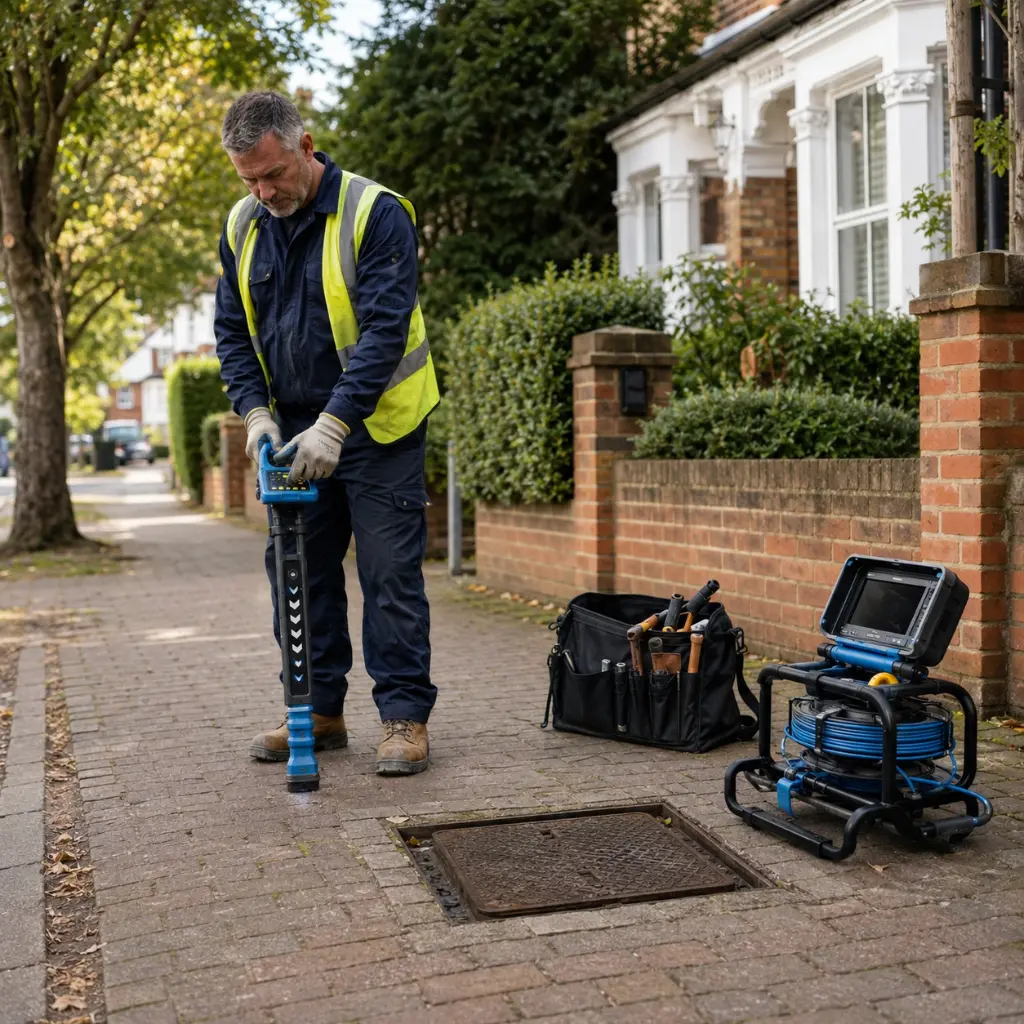
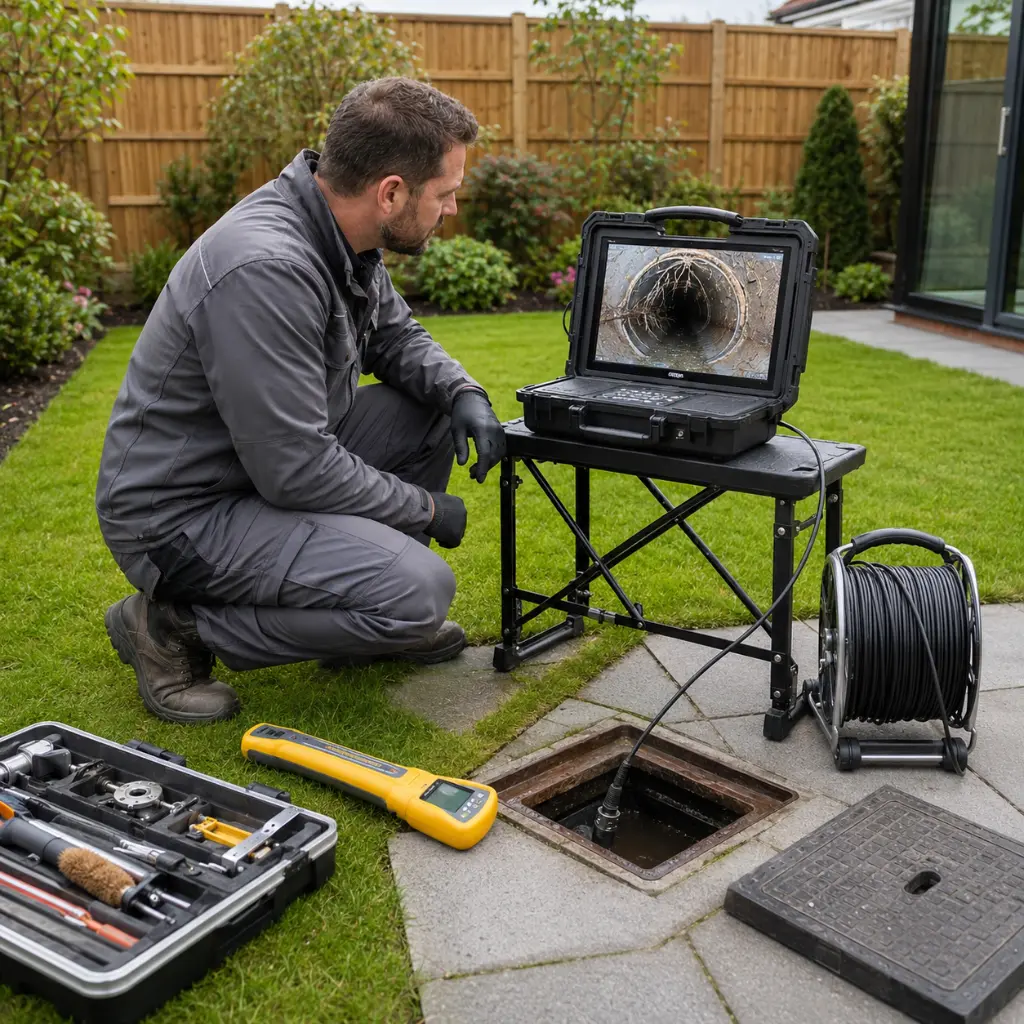
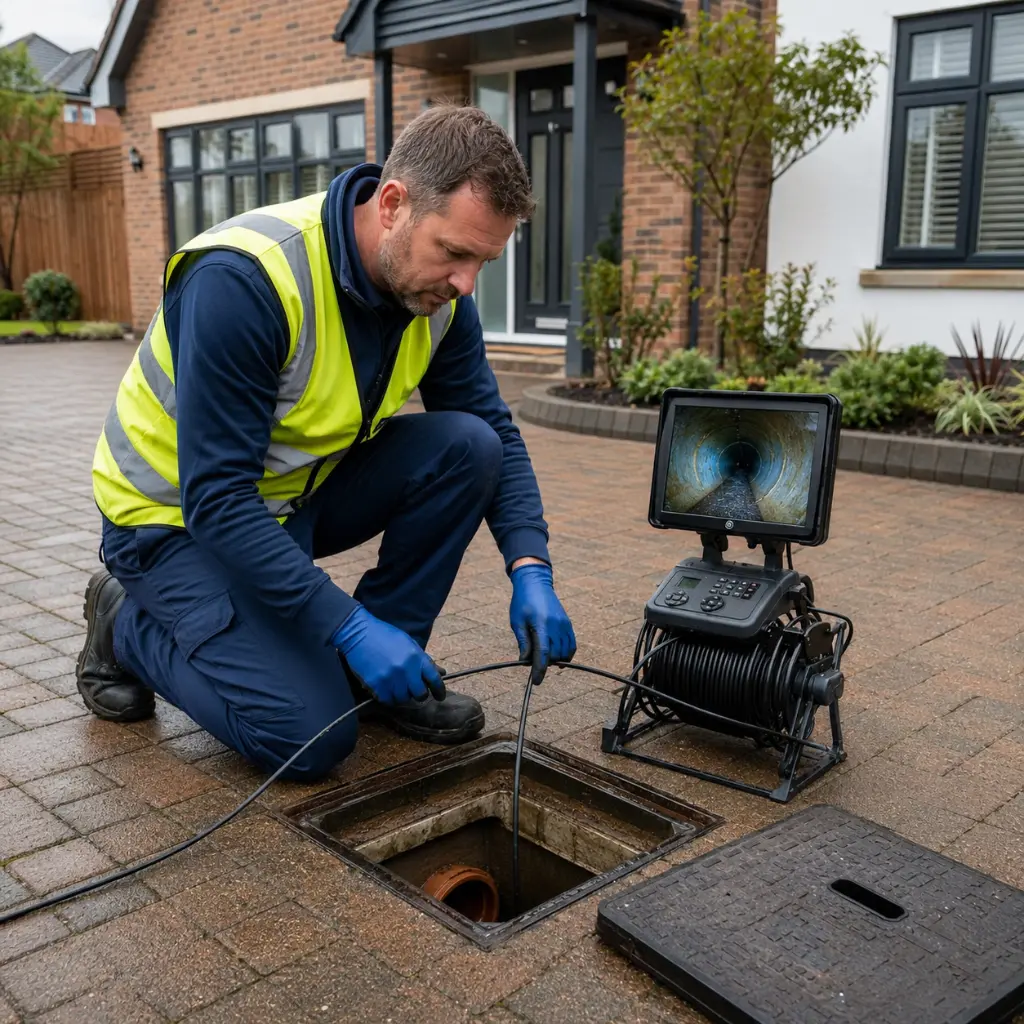
The idea is simple, though the technology behind it is genuinely clever. A specialist feeds a high-resolution waterproof camera into your drainage system through an inspection chamber or an open access point.
For shorter runs, the camera sits on a flexible pushrod. For larger or longer pipes, a small crawler unit drives along the pipe on wheels. Either way, the engineer watches a live screen as the camera travels, providing a clear live view of the condition inside the pipe.
The footage is recorded as it goes, so nothing relies on memory or guesswork. The result is a clear, honest picture of your drainage from the inside out, gathered without lifting a single paving slab.
Why the Camera Sees What Other Methods Cannot
Before cameras, diagnosing a drain problem often meant digging to find it. That was disruptive and slow. A drain camera survey changes the whole approach by putting eyes directly inside the pipe.
This means the exact position of a fault can be identified from above ground, often to within a short distance. Many camera systems carry a small transmitter, so the engineer can trace the pipe’s route and pinpoint a problem spot from the surface. That precision saves time, protects your garden, and means any repair is targeted rather than exploratory.
A CCTV Drain Inspection Reveals More Than Blockages
It is easy to assume these surveys are only for finding what is causing a blockage. In practice, a thorough inspection tells you a great deal about the overall health of your drainage.
Structural Condition
The camera shows the physical state of the pipes, including hairline cracks, displaced joints, and areas where a pipe has begun to deform. Catching these early lets you plan a repair calmly rather than reacting to a sudden collapse.
Root Intrusion
Tree roots naturally seek out moisture and can enter drainage pipes through even the smallest openings or gaps in pipe joints, eventually causing blockages and damage. A survey shows exactly where roots have entered and how far they have spread, which guides the right treatment.
Build-Up and Flow
Silt, grease and general debris gather over time and slow the flow long before a full blockage forms. Seeing this build-up allows for cleaning, such as high-pressure jetting, before it becomes a bigger issue. If your drains are already slow or blocked, our team can carry out fast drain clearing and inspect the cause in the same visit.
Do You Need a Drainage Survey? Common Situations
This is the question most people really want answered. A survey is not something every home needs every year, but several situations make one genuinely worthwhile.
Buying a New Home
A pre-purchase survey is one of the most valuable checks a buyer can make. Drainage problems are hidden by nature, and a survey before you commit tells you the condition of something you would otherwise inherit blind. It brings real peace of mind to a major purchase.
Recurring Drain Problems
If a drain keeps blocking despite being cleared, the repeat pattern usually points to an underlying cause. A survey finds the root of the problem, so the fix addresses the reason rather than the symptom. In some cases, recurring drainage problems can also contribute to a washing machine leaking if wastewater cannot drain away properly.
Before an Extension or Building Work
Building over or near existing drains needs care, and a survey maps where everything runs before the first foundation is dug. This helps avoid unexpected issues during the project and supports any planning requirements.
Persistent Smells or Slow Flow
Lingering odours or several fixtures draining slowly can signal an issue further down the network. A camera inspection locates the source quickly, without disruptive digging to find it.
What You Receive Afterwards
A good survey does not end when the camera comes out. You should receive a clear drainage survey report setting out what was found, supported by the recorded footage.
The report typically explains the condition of the pipes, notes any defects and their location, and sets out sensible recommendations. This gives you a solid basis for a decision, whether that is routine maintenance, a targeted repair, or simple reassurance that all is well.
Conclusion
For the price of an hour or two with a camera, a survey trades uncertainty for a clear view of what is really happening underground. Whether you are buying a home, planning an extension, or simply tired of a drain that keeps blocking, it answers the question that guesswork cannot. More often than not, that clarity saves far more hassle than the survey itself takes.
If a survey sounds like the sensible next step, our North West London drainage team can arrange one at a time that suits you. Get in touch and we will book you in, carry out the inspection, and talk you plainly through whatever we find.