
Introduction
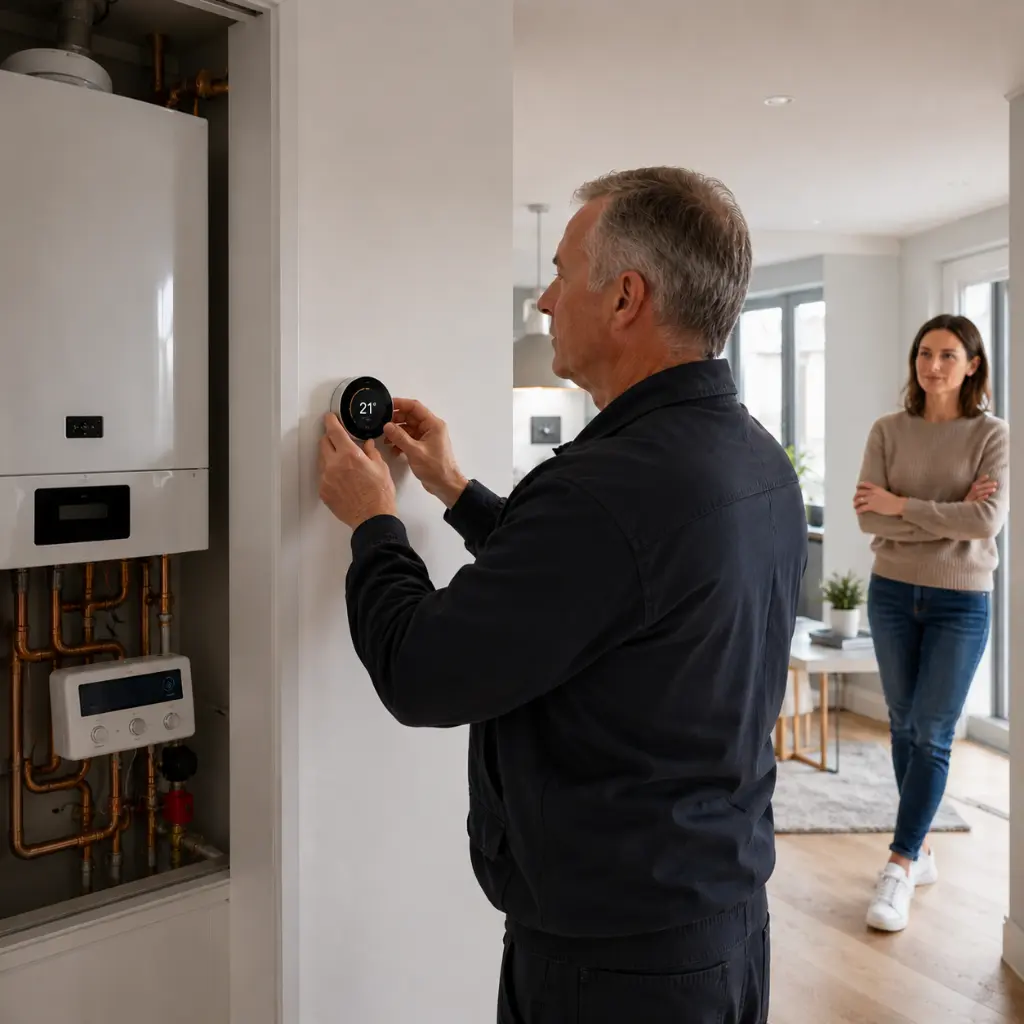
Smart heating controls are becoming more common in UK homes as homeowners look for practical ways to improve comfort and manage heating more efficiently. While traditional thermostats simply switch the heating on and off, a smart thermostat gives households more control over daily heating use. If you are considering upgrading your heating controls, professional heating services in London can assess your existing setup and advise on suitable smart thermostat options.
For some households, the appeal lies in convenience. For others, it is the ability to manage heating remotely or tailor schedules around changing routines. Understanding how a smart thermostat UK system works can help determine whether it is a worthwhile addition to your property and overall heating arrangement.
What Makes a Smart Thermostat Different?
Moving Beyond Traditional Heating Controls
Traditional room thermostats and programmable thermostats allow basic control over schedules and temperature settings. While useful, they usually need manual adjustment at the control unit.
A smart thermostat builds on this by offering more adaptable programming, clearer temperature control, and easier management of how warmth is delivered around the property.
Connected Heating Through Mobile Technology
A key difference is connectivity. A smart heating thermostat links to the home’s internet connection, allowing heating adjustments through a smartphone, tablet, or similar device.
Whether plans change unexpectedly or you are returning home earlier than anticipated, settings can be updated remotely without needing direct access to the thermostat.
Real Time Heating Management
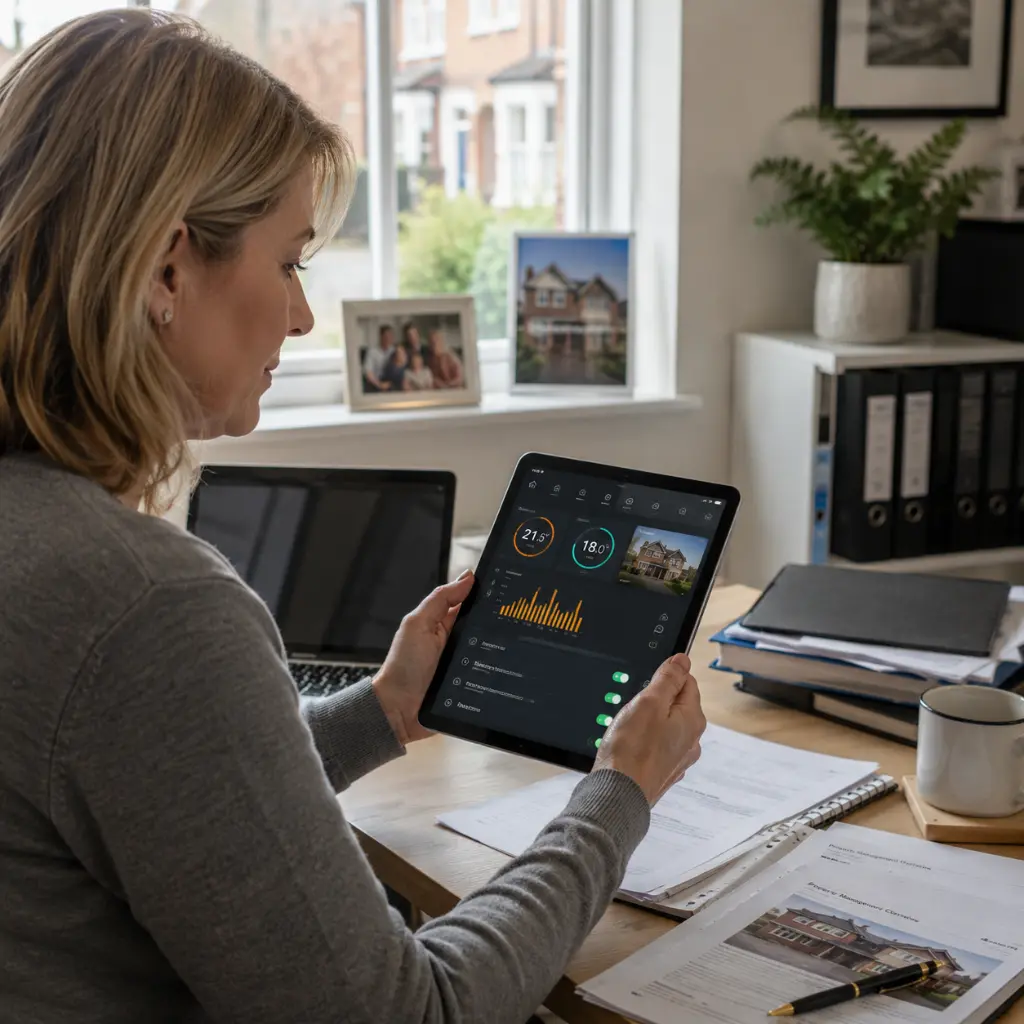
Many smart heating systems include dedicated apps that provide a clearer view of day-to-day performance. Users can review schedules, make adjustments instantly, and monitor how the system responds throughout the week, allowing heating settings to be refined as routines change.
Who Actually Benefits Most From Smart Heating Controls
The value of a smart thermostat often depends on occupancy patterns rather than technology features alone. Households where people regularly move between home, work, and other commitments may find heating easier to manage when routines vary from day to day. Hybrid working arrangements, changing schedules, and periods when the property is empty can all make heating management more responsive to how the home is actually used.
Where Energy Savings Often Come From
Reducing Unnecessary Heating
Many heating systems waste energy by operating longer than necessary. Smart thermostats can help reduce this through automated heating schedules and improved heating optimisation.
Instead of relying on fixed settings throughout the year, heating patterns can be adapted to suit occupancy and seasonal requirements.
Better Visibility of Energy Usage
Many systems provide detailed information about heating patterns and energy consumption. Reviewing this information can highlight when heating is used most frequently and where adjustments may improve efficiency.
Greater visibility often leads to more informed decisions about how and when heating is used.
More Accurate Temperature Control
Older thermostats can sometimes allow noticeable temperature fluctuations between heating cycles. Smart thermostats provide more precise regulation, helping rooms remain comfortable without unnecessary overheating.
This approach supports both comfort and more efficient use of energy.
Are Smart Thermostats Suitable for Every Home?
Smaller Properties and Flats
Smart thermostats can work particularly well in flats and smaller homes where heating requirements are relatively straightforward. Improved scheduling and remote access may still provide worthwhile benefits even in compact properties.
Family Homes With Varying Heating Needs
Larger families rarely follow identical schedules. Bedrooms, living spaces, and bathrooms may all be used differently throughout the day, particularly during mornings and evenings.
Modern controls allow heating patterns to reflect these changing demands more closely, helping maintain comfort where it is needed most.
Landlords and Rental Properties
Some landlords choose smart thermostat installation as part of wider property improvements. Modern heating control solutions may offer greater convenience for tenants while helping landlords maintain efficient heating systems.
As with any upgrade, suitability depends on the individual property and tenancy arrangements.
Understanding Zoned Heating and Advanced Controls
Heating Different Rooms Independently
Some advanced smart heating systems support zoned heating. This allows separate heating zones to operate independently rather than treating the entire property as a single space.
Rooms that are rarely used may therefore require less heating than frequently occupied living areas.
Integrating Radiators and Underfloor Heating
Smart controls can often be used alongside radiator systems, underfloor heating, and mixed heating arrangements found in many London homes.
This adaptability allows homeowners to manage different heat sources through a more coordinated approach.
Improving Heating Flexibility
Advanced controls allow heating systems to respond more closely to how a property is actually used. Features such as zoned heating and automated scheduling provide greater precision, helping homeowners manage comfort levels across different areas of the home.

Boiler Compatibility and Installation Considerations
Working With Existing Heating Systems
Many smart thermostats can be integrated with combi boilers, system boilers, and modern condensing boilers. The suitability of a particular model depends largely on the existing controls and overall system design.
Compatibility Checks Before Installation
Before upgrading controls, it is important to confirm that the thermostat and heating system can work together correctly. Factors such as boiler type, existing controls, and system configuration all influence compatibility.
Assessing the system beforehand helps determine the most appropriate option before any installation work takes place.
Why Professional Installation Matters
Professional thermostat installation helps ensure that controls are configured correctly and operate as intended. An experienced heating engineer can also advise on the most appropriate location and settings.
If you are considering a smart thermostat installation, obtaining professional guidance early can help avoid compatibility issues later.
Homes With Changing Occupancy Patterns
Smart thermostats are often most useful where heating requirements vary throughout the week. Hybrid workers, families with different daily routines, and households that are frequently unoccupied during working hours can often benefit from more responsive heating management. Second homes and occasionally occupied properties may also benefit from the ability to adjust heating according to actual occupancy rather than fixed routines.
When Simpler Controls May Be Enough
Not every household requires advanced heating controls. Homes with consistent daily routines and existing programmable thermostats may already manage heating effectively. In these situations, the practical benefits of upgrading can be more limited. Assessing daily routines and heating habits often provides a clearer answer than focusing solely on technology features.
Getting the Most From a Smart Thermostat
Careful thermostat programming helps maximise the value of smart controls. Heating schedules should reflect genuine household routines rather than default settings.
Reviewing energy usage and schedule data periodically can help identify patterns that may otherwise go unnoticed. Small adjustments made over time often improve overall heating performance and day-to-day operation.
Even the most advanced controls cannot compensate for poor system conditions. Regular boiler servicing, routine maintenance, and efficient heating system operation remain essential. If you are considering upgrading your heating controls, a professional assessment can help determine whether a smart thermostat would deliver meaningful benefits for your property.
Conclusion
A smart thermostat offers far more than basic temperature adjustment. Remote control features, scheduled heating programmes, and greater control over system operation can help make heating management more convenient and adaptable.
The overall value depends on the home’s layout, the occupants’ routines, and the controls already in place. For homeowners considering an upgrade, London Plumbing 24/7 can assess the existing setup and advise whether smart heating controls are likely to deliver worthwhile benefits.