

Introduction
Choosing a new boiler is not simply about selecting the most popular model. The right heating system should suit the property’s size, occupancy, and daily hot water use. A combi boiler may be ideal for one home, while a system boiler may be the more practical choice elsewhere.
Selecting the wrong option can affect hot water availability, storage requirements, and long term efficiency. If you are considering a heating upgrade, boiler installation services in London can help assess your property’s heating and hot water demands and identify the most appropriate solution. Understanding the differences between a combi boiler and a system boiler can help you choose the best boiler for your home and avoid costly changes later.
How Each Boiler System Works
How a Combi Boiler Produces Heating and Hot Water
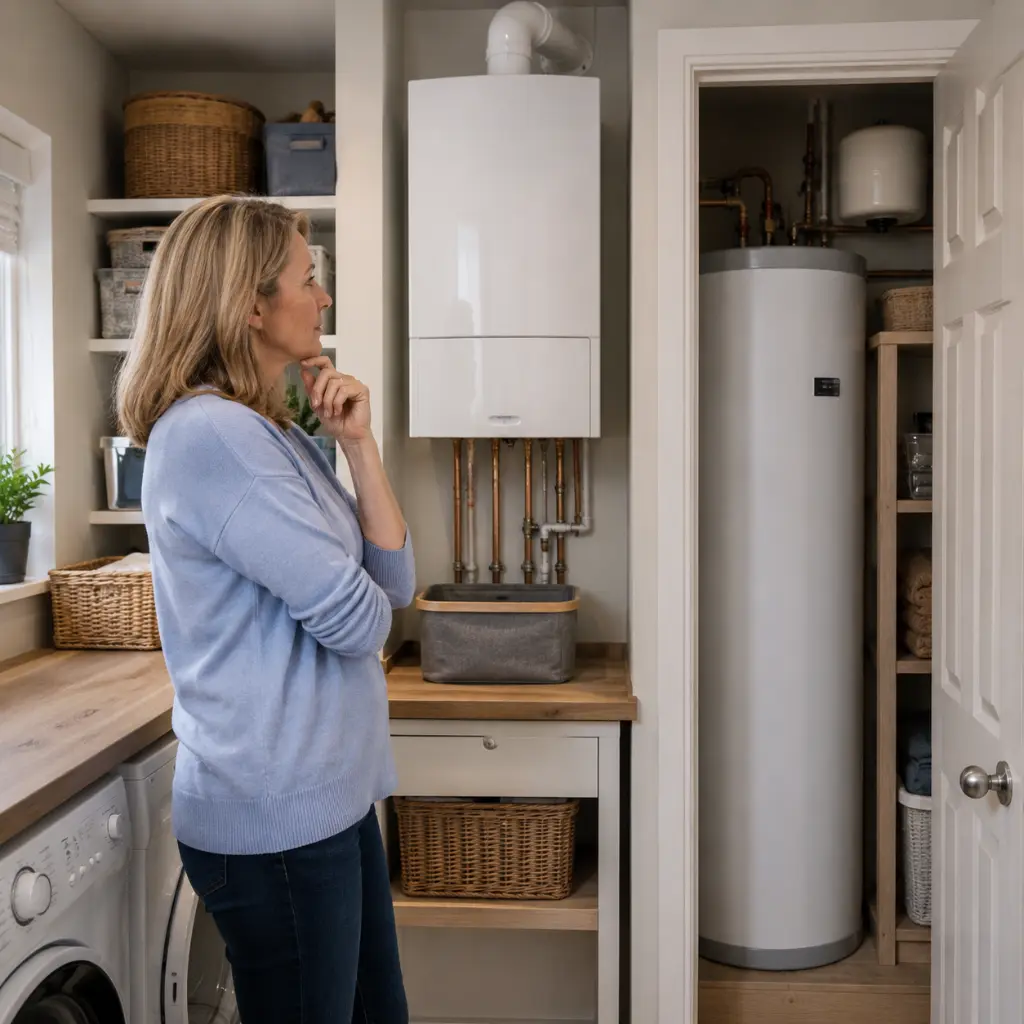
A combi boiler delivers both central heating and domestic hot water directly from one appliance, removing the need for a separate storage cylinder. Water is heated directly from the mains supply whenever a tap or shower is used, providing on-demand hot water throughout the property.
This compact heating solution is particularly popular in homes where space is limited, and additional storage equipment would be impractical.
How a System Boiler Operates
With a system boiler, hot water is heated and stored in a cylinder, ready to be drawn upon when needed. This boiler and cylinder setup gives households a ready supply of hot water during busier periods.
The Main Difference Homeowners Notice
The key distinction lies in how hot water is supplied. A combi boiler heats water as it is needed, while a system boiler stores heated water within a cylinder ready for use. For most households, the decision comes down to balancing convenience, available space, and expected hot water usage.
Matching Boiler Choice to Daily Household Habits
The most suitable boiler often depends on how a household uses heating and hot water rather than the size of the property alone. Homes where hot water is used occasionally throughout the day may find a combi boiler convenient because it heats water only when needed. Households with busier routines, where several people use bathrooms during similar periods, may benefit from having stored hot water available. Understanding daily usage patterns often provides a clearer basis for choosing between boiler types than property size by itself.
Space Requirements Around the Home
Why Combi Boilers Appeal in Compact Properties
One of the main combi boiler benefits is its compact design. Without a hot water storage cylinder, the boiler can often be installed inside a kitchen cupboard or utility area.
This makes it particularly attractive in London properties where available space is limited.
Additional Storage Needs for System Boilers
A system boiler requires room for a hot water cylinder. Depending on the property, this may involve an airing cupboard, utility room, or loft space.
While the additional storage requirement is not always a problem, it remains an important consideration when planning a replacement heating system.
Balancing Convenience and Available Space
Space should be considered alongside performance requirements. While some households value freeing up storage areas, others are happy to accommodate a cylinder in exchange for greater hot water capacity during busy periods.
How Daily Routines Affect Boiler Performance
Hot water usage is rarely spread evenly throughout the day. Morning showers, evening baths, and peak household activity can place different demands on a heating system. A combi boiler suits homes where usage is generally staggered, while a system boiler can be advantageous when several occupants require hot water within a short period. Choosing a system that aligns with typical household routines can help maintain comfort and consistent performance.
Comparing Efficiency and Running Costs
Boiler Efficiency and Energy Use
Modern combi boilers and system boilers are both designed to operate efficiently when correctly specified and installed. Good boiler efficiency depends on the suitability of the system, the condition of the pipework, and how the household uses heating and hot water.
Heat Loss and Water Storage Considerations
A system boiler stores hot water so that some heat can be lost from the cylinder. A combi boiler avoids stored water losses because it heats water as needed.
In practice, overall efficiency depends on installation quality, household routines, insulation, and heating controls.
Choosing an Efficient Home Heating Solution
Efficiency is not determined solely by boiler type. Heating systems that are properly matched to the property’s needs and installed correctly generally provide more dependable performance and improved efficiency.
Installation and Upgrade Considerations
Replacing Like for Like
Replacing an existing boiler with a similar type is often the simplest option. Existing pipework, controls, and heating layouts may already be compatible with the new installation.
Moving Between Boiler Types
Changing from one boiler type to another often involves modifications beyond the boiler itself. Pipework alterations, cylinder removal, or additional components may be required, making it important to assess the wider heating system before work begins.
Assessing the Existing Heating System
Before a new boiler installation, the wider heating system should be reviewed. Pipework, radiators, controls, and water pressure all influence how well the replacement boiler will perform.
Future Flexibility and Long-Term Planning
Planning for Household Changes
Current requirements are only part of the picture. Future changes such as family growth, property extensions, or additional bathrooms can all influence the suitability of a heating system over time. When upgrading a boiler, it is also worth considering whether the existing heating controls remain suitable for the household’s changing needs, as modern smart thermostats can provide greater flexibility and control over heating schedules.
Renewable Energy Compatibility
System boilers can offer greater compatibility with certain renewable heating technologies, including solar water heating systems. This may be relevant for homeowners considering future energy upgrades.
Considering Boiler Lifespan
Whichever boiler is selected, routine servicing and maintenance remain essential. Boiler reliability depends on good installation, regular checks, and ongoing care throughout the system’s working life.
Which Boiler Is Usually Best for Different Homes?
Combi boilers are commonly chosen for flats, one bathroom homes, and smaller properties where space is limited and hot water demand remains moderate.
System boilers are often preferred in larger homes with multiple bathrooms and greater hot water requirements. The ability to store hot water can make them particularly practical for family households.
No two households use heating and hot water in the same way. Occupancy levels, lifestyle, water pressure, and property layout all contribute to determining the most suitable solution. For this reason, boiler recommendations should always be based on the specific needs of the home.

Maintaining Performance After Installation
Annual boiler servicing helps maintain safe and efficient operation. Regular maintenance can also identify developing issues before they affect heating and hot water performance.
Pressure changes, inconsistent heating, unusual noises, or reduced hot water output should not be ignored. Investigating these symptoms early can prevent smaller faults from becoming more disruptive.
Both combi boilers and system boilers need regular servicing to remain safe and efficient. If performance changes, a qualified heating engineer can inspect the system and advise on the right next step.
Conclusion
When comparing a combi boiler vs. a system boiler, there is no single answer for every home. The right choice depends on hot water use, available space, property layout, water pressure, and plans.
A well-planned boiler installation should support comfort, efficiency, and reliability over the long term. If you are considering a boiler replacement, London Plumbing 24/7 can assess your requirements and recommend a suitable system.