

Introduction
One of the most common questions homeowners ask is, “How long does a boiler last?” The answer depends on more than simply the age of the appliance. A boiler that has been properly maintained may continue operating reliably for many years, while another of a similar age may develop recurring faults much sooner.
Boiler lifespan is influenced by factors such as boiler type, servicing history, water quality, and the demands placed on the home heating system. Understanding the signs of an ageing boiler can help you decide whether a repair is worthwhile or whether replacement should be considered before a major breakdown occurs. If your heating system begins showing signs of reduced performance, boiler repair and maintenance services can help assess its condition and identify any underlying issues.
Why Some Boilers Age Faster Than Others
The Role of Boiler Type and Design
Different boiler types age differently depending on their design and usage. A combi boiler and system boiler, conventional boiler, or condensing boiler may all experience wear at different rates. Modern condensing boilers are designed to operate more efficiently than many older models, but they still require regular care to maintain performance.
Boiler lifespan by type can vary considerably, which is why age alone rarely provides the full picture. The overall condition of the appliance is often more important than the installation date.
Installation Quality and Ongoing Care
Even a high-quality boiler can develop problems if installation standards were poor or servicing has been neglected. Annual boiler service appointments allow heating engineers to identify minor issues before they affect reliability.
Routine boiler servicing and preventative maintenance reduce wear on internal components while supporting efficiency and long-term performance. Consistent care helps maintain reliable heating and hot water throughout the boiler’s working life.
Early Signs Your Boiler Is Starting to Struggle
One of the earliest signs of an ageing boiler is a gradual decline in performance. Rooms may take longer to warm up, radiators may heat unevenly, and hot water can become less consistent during periods of higher demand. These changes often develop gradually and may go unnoticed until comfort levels begin to suffer.
Longer Heating Cycles
A boiler that previously heated the property efficiently may begin running for extended periods before reaching the desired temperature. This can indicate reduced heating efficiency and declining boiler performance.
If the system appears to be working harder while delivering less comfort, it may be worth arranging a professional assessment.
Signs Replacement May Be Near
Frequent Breakdowns and Repeat Repairs
Every boiler requires occasional repairs. However, frequent boiler repairs often indicate that major components are beginning to wear out.
Repeated emergency boiler breakdowns can be disruptive, particularly during winter when dependable heating and hot water become increasingly important. An ageing boiler that requires regular attention may be approaching the point where replacement becomes more practical than continued repairs.
Persistent Pressure Problems
Ongoing boiler pressure issues can also suggest deeper problems within the heating system. Low boiler pressure, repeated pressure loss, or a boiler losing pressure despite repairs may indicate internal faults.
Although some pressure issues have straightforward solutions, recurring pressure gauge concerns usually require a more thorough investigation.
Leaks, Corrosion and Visible Damage
Visible signs of deterioration should never be ignored. Boiler leaks, corrosion around pipe connections, a leaking boiler casing, or visible rust may indicate that internal components are deteriorating.
Water escaping from the system can damage surrounding areas and increase the likelihood of future breakdowns.
Strange Noises From the Boiler
Most boilers produce some operational noise, but unusual sounds can indicate developing faults. A noisy boiler may produce banging, whistling, gurgling, vibrating, or rumbling sounds.
Kettling symptoms are commonly associated with limescale build-up inside the system. Unusual noises can indicate restricted heat transfer or increased strain on internal components. Where heating system contamination is identified as a contributing factor, cleaning measures such as power flushing may sometimes be recommended.
Safety Concerns That Need Immediate Attention
Combustion and Flame Issues
Certain warning signs should always be treated seriously. A yellow boiler flame, pilot light problems, boiler ignition issues, or recurring ignition faults can indicate combustion-related concerns.
These issues require professional investigation and should never be ignored or treated as normal boiler behaviour.
Ventilation and Flue Concerns
Boiler flue problems and boiler ventilation issues can affect safe operation. Damage to the flue or poor ventilation may prevent combustion gases from being removed correctly.
Regular inspections can highlight potential concerns before they begin affecting the appliance’s safe operation.
When Professional Assessment Is Essential
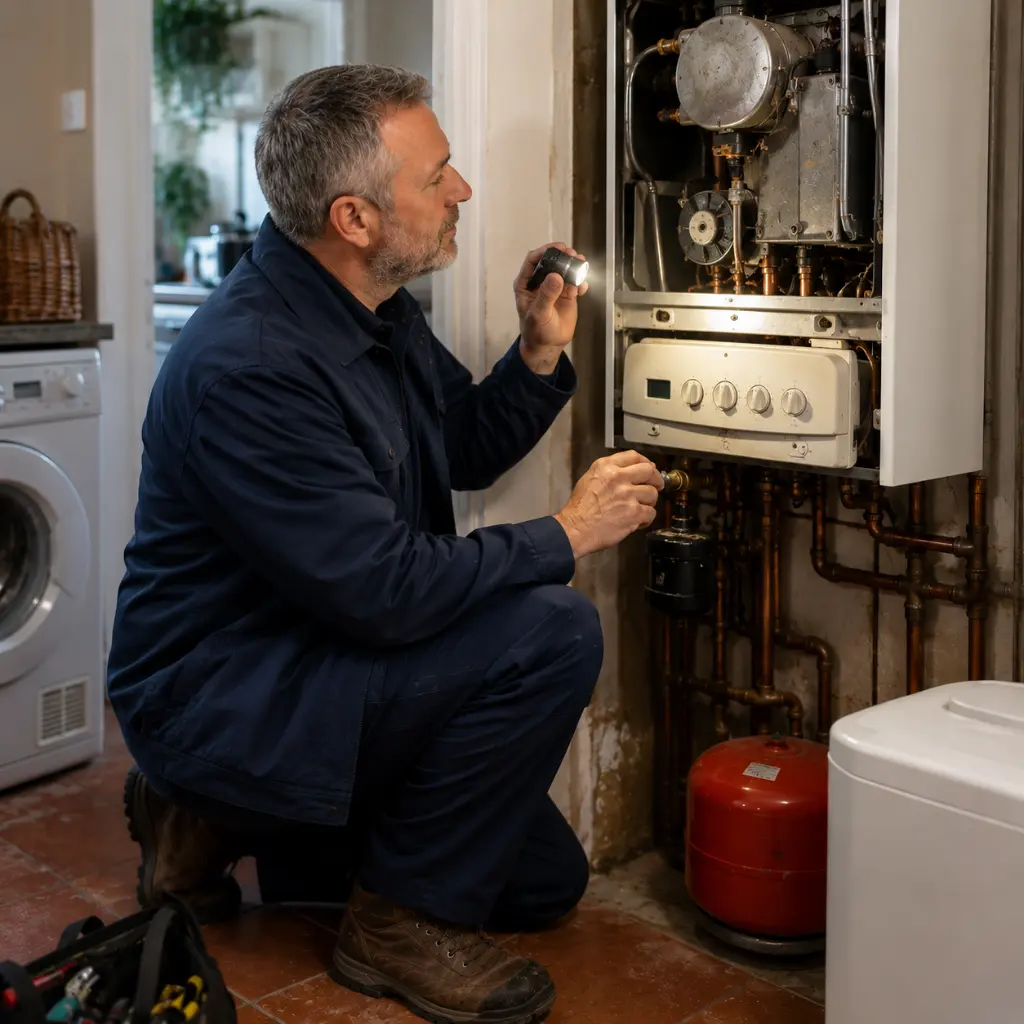
A Gas Safe registered engineer should always assess concerns relating to boiler safety or potential carbon monoxide risk. If you notice unusual boiler behaviour or safety-related warning signs, it is sensible to arrange an inspection through London Plumbing 24/7 rather than waiting for the problem to worsen.
Why Older Boilers Cost More to Run
Reduced Efficiency Over Time
As boilers age, efficiency often declines. Internal components gradually wear, reducing the effectiveness of heat transfer and increasing boiler running costs.
Homeowners may notice rising energy bills or higher heating bills despite using the heating system in the same way as before.
Repair or Replace?
Situations Where Repair Still Makes Sense
Repairing a boiler may be appropriate when faults are isolated, replacement parts remain readily available, and the installation is relatively recent.
In these situations, a professional repair can often restore performance without the need for significant investment.
When Replacement Becomes the Practical Option
Replacement is often worth considering when faults become frequent, reliability declines, or essential parts become increasingly difficult to source.
An ageing boiler that develops recurring faults can become increasingly expensive to maintain while offering less dependable performance.
Looking Beyond Immediate Costs
The choice between repair and replacement should take reliability, efficiency, and future maintenance requirements into account. A cost-effective boiler replacement may sometimes provide better long-term value than repeated repairs.
What Homeowners Gain From Replacing an Ageing Boiler
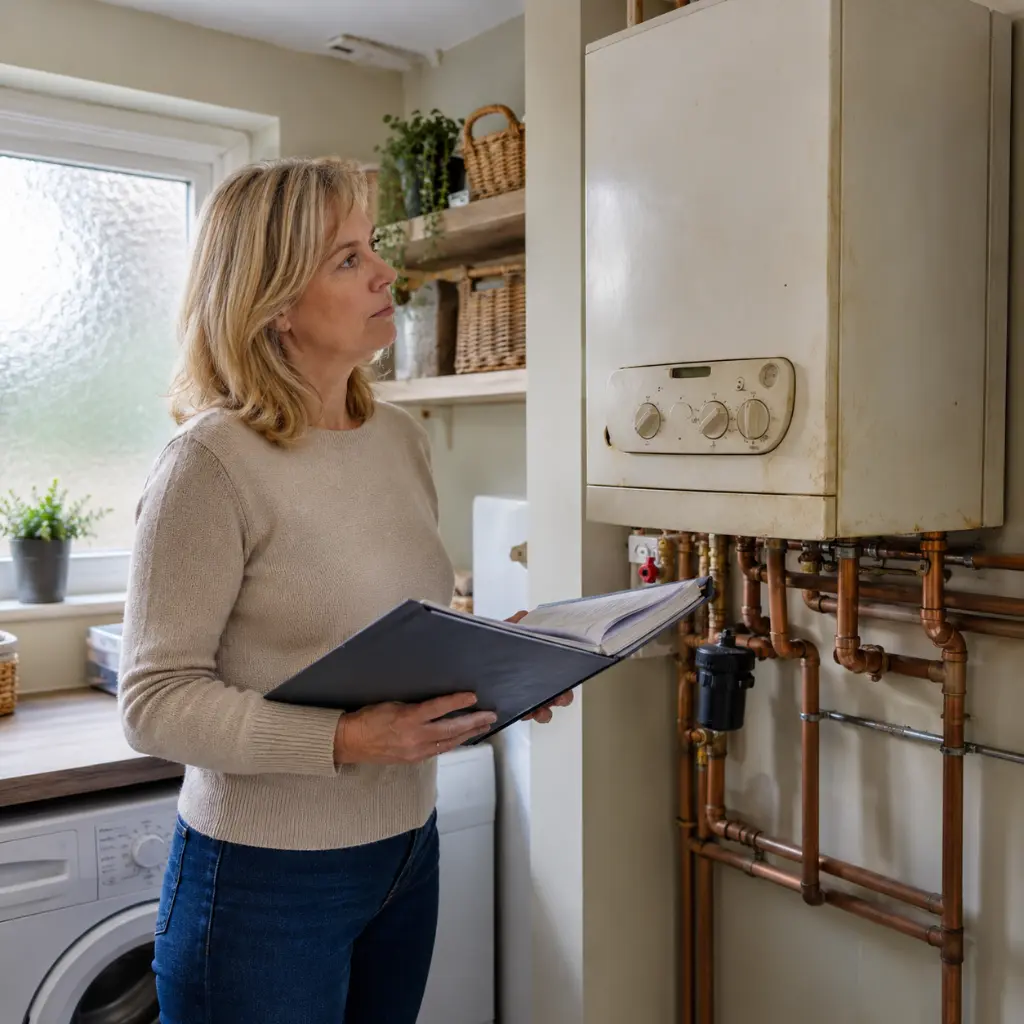
When an older boiler becomes increasingly unreliable, replacement can provide greater confidence in the overall heating system. Modern boilers are generally better equipped to support changing household demands and integrate with newer heating controls.
A replacement also offers the opportunity to review the wider heating setup, including controls, radiators, and hot water arrangements. Rather than simply solving recurring faults, a well planned upgrade can help ensure the heating system remains suitable for the property over the years ahead.
Delaying Replacement Through Better System Planning
A boiler rarely reaches the end of its working life without providing warning signs first. Gradual changes in reliability, heating performance, and repair frequency often develop over several years rather than appearing suddenly.
Monitoring these changes helps homeowners plan ahead instead of reacting to an unexpected breakdown. Replacing worn controls, addressing system faults promptly, and reviewing the condition of the heating system periodically can all help support dependable operation for longer.
Forward planning is particularly valuable in older properties where the heating system may be approaching a stage where replacement becomes increasingly likely within the coming years.
Conclusion
Boiler lifespan depends on many factors, including installation quality, maintenance history, water conditions, and overall system health. While age is important, it is not the only indicator that replacement may be required. Frequent repairs, declining efficiency, unreliable heating, and safety concerns are usually clearer indicators that replacement should be considered.
If you are unsure whether repair or replacement is the right option, London Plumbing 24/7 can provide professional inspections, practical advice, and boiler replacement guidance tailored to your heating system.